Personal Color Analysis
Color Analysis for Men: A Practical Guide to Suits, Shirts, and Everyday Color
Color analysis for men is not about wearing louder clothes—it is about picking the exact navy, gray, white, and earth tones that make you look rested, sharp, and put-together without extra effort. Because men's wardrobes rely heavily on neutrals right next to the face, swapping just two or three base shades delivers an immediate upgrade.
Updated 2026-11-26 · GlowMap Editorial Team

Quick answer
- Men's wardrobes center on neutrals—white, navy, gray, brown, olive, and black—and small temperature shifts in those neutrals make the biggest visual difference.
- The same 12-season framework applies regardless of gender: your undertone (warm, cool, neutral), depth, and contrast determine your best suiting and casual colors.
- Every season exists across all skin depths; facial hair, graying hair, and contrast between beard and skin also shape how stark or soft your outfits should be.
- Start with collar-zone items—dress shirts, tees, knitwear, jackets, and eyewear frames—rather than overhauling trousers or shoes.
- GlowMap calibrates lighting in your browser using a sheet of white paper plus screen flash, keeps your photo on your device, and lets you discover your season free.
Why Color Analysis Works So Well on Menswear
Most men do not own a closet full of neon prints—they rotate through button-down shirts, tees, polos, sweaters, blazers, and jackets in a tight band of neutrals. Yet not all whites, navies, or grays behave the same way near your jawline. A stark optic-white dress shirt can make one man look crisp and alert while making another look slightly tired or washed out; a warm camel overcoat can look effortless on a warm complexion and sallow on a cool one.
In personal color analysis, the colors closest to your face act like natural studio reflectors. When a collar or lapel echoes your undertone (warm, cool, or neutral), depth (light, medium, or deep), and natural contrast level, under-eye shadows soften, skin tone looks more even, and your eyes stand out without looking overly styled. Best of all, every season exists across all skin depths, so the system scales cleanly whether your skin is very fair, olive, medium, or rich dark.
Suiting, Shirts, and Everyday Neutrals by Season Family
You do not have to memorize 40 exotic shade names to dress well. Start by translating your 12-season palette into five menswear anchors: best suit color, best white shirt, best casual tee, best knitwear accent, and best hardware metal (watch case, belt buckle, and glasses frames).
| Season family | Best suit & blazer colors | Best light shirt | Easy casual accents | Watch & frame hardware |
|---|---|---|---|---|
| Spring (Warm Spring, Bright Spring, Light Spring) | Warm navy, camel, tan, warm medium brown, or light charcoal. | Ivory, cream, or warm off-white rather than harsh blue-white. | Turquoise, coral-red polo, jade green, sky blue, warm camel. | Yellow gold, champagne gold, warm tortoiseshell. |
| Summer (Soft Summer, Cool Summer, Light Summer) | Soft navy, slate gray, blue-gray, dusty charcoal, muted taupe. | Soft white or very pale powder blue instead of stark optic white. | Faded denim, sage, steel blue, soft burgundy, muted teal. | Brushed silver, steel, pewter, matte cool gray. |
| Autumn (Warm Autumn, Deep Autumn, Soft Autumn) | Chocolate brown, dark olive, espresso, warm charcoal, tweed tan. | Warm cream, oatmeal, or light wheat over stark white. | Rust, burnt orange, forest olive, deep teal, warm wine. | Matte gold, bronze, copper, dark tortoiseshell. |
| Winter (Deep Winter, Cool Winter, Bright Winter) | True black, midnight navy, dark charcoal, crisp cool gray. | Pure optic white or icy pale blue. | Cobalt blue, deep emerald, burgundy, crisp crimson. | Polished silver, stainless steel, platinum, black frames. |
Look at how practical those swaps are. A Deep Autumn man does not need to abandon classic menswear—simply shifting from stark black and icy white to espresso, dark olive, deep teal, and warm cream keeps his wardrobe understated while dramatically improving how his face looks in photos and meetings.
Chocolate
Deep Brick
Dark Olive
Deep Gold
Sienna
Deep Teal
Warm Wine
Copper
Espresso
Warm Cream
How Contrast Shapes Suit-and-Shirt Combinations
Undertone picks the right *family* of colors, while contrast tells you how sharply to combine them. Men with high contrast—such as light skin with dark hair and beard, or rich dark skin with crisp bright eyes and teeth—look sharpest in high-contrast pairings: a midnight-navy suit over a pure white shirt, or a black jacket over an icy gray tee.
Men with low or medium contrast—such as light-to-medium skin with blonde, light brown, or graying hair, or deep skin with matching dark hair and soft eye contrast—often look noticeably better in tonal layering. Instead of a stark black suit and bright white shirt, try a slate-gray blazer over a powder-blue shirt (Soft Summer), or an olive overshirt over an oatmeal tee (Soft Autumn). Tonal outfits keep attention on your face instead of creating a harsh break at the collar.
High-contrast styling (Deep Winter / Bright Spring)
- Dark jacket + crisp light shirt (midnight navy + optic white, or warm charcoal + ivory).
- Clear, defined stripes, crisp checks, and solid dark outerwear.
- Clean black or dark tortoiseshell eyewear frames that echo your natural definition.
Low-contrast styling (Soft Summer / Soft Autumn)
- Close-in-value layering (charcoal + mid-gray, camel + oatmeal, faded denim + sage).
- Textured weaves like chambray, flannel, linen, and brushed wool that soften transitions.
- Translucent, pewter, matte silver, or soft brown eyewear frames that do not overpower your features.
Beards, Gray Hair, and Eyewear: Menswear Details That Matter
Three details come up constantly in men's color analysis and rarely get explained clearly:
- Facial hair and stubble: A dark beard on fair or medium skin increases visual contrast around the lower face, letting you handle slightly deeper collars comfortably. Conversely, reddish or golden tones in a beard often signal warm undertone influence—even if your head hair looks neutral brown.
- Going gray or silver: Silver and salt-and-pepper hair lowers overall darkness and cools the frame around your face. Many men who wore warm browns in their twenties discover that adding softer cool grays, slate blues, or slightly lighter neutrals keeps them looking fresher as their hair silvers—though your underlying skin undertone stays consistent.
- Watch straps, glasses, and shoes: Leather and metal sit right in the visual field. Warm seasons look cohesive in cognac, chestnut, warm brown leather, and gold or bronze watch cases; cool seasons look sharpest in black, cool dark brown, or oxblood leather paired with stainless steel or silver hardware. If you are unsure about metals, our gold vs silver test shows how to check in daylight.
How to Build a 10-Piece Capsule Around Your Season
The easiest way to apply your season without spending hours shopping is to build a cohesive capsule where every top pairs effortlessly with every jacket and pair of trousers.
- 1
Confirm your season with calibrated light
Skip guesswork under yellow bedroom lamps. Take the free online color analysis facing a natural window with a plain sheet of white paper—the whole process takes about three minutes.
- 2
Pick two core dark neutrals
Choose two dark anchors from your palette for jackets, blazers, and trousers (for example, espresso and dark olive for Autumns, or midnight navy and charcoal for Winters).
- 3
Upgrade your light shirts and tees
Replace generic stark-white undershirts with your season's right light base: optic white for Winters, soft white or pale blue for Summers, and ivory or warm cream for Springs and Autumns.
- 4
Add three accent colors you actually enjoy wearing
Pick three wearable palette shades—such as deep teal, burgundy, moss green, steel blue, or rust—for polos, sweaters, and overshirts. Every piece will mix and match automatically because they share the same temperature and chroma.
Privacy-First Online Analysis vs. Booking a Consultant
Many men skip color analysis simply because booking a two-hour studio appointment feels excessive or uploading selfies to an unknown app feels uncomfortable. Comparing online color analysis vs in person comes down to convenience and lighting accuracy.
GlowMap is designed to be fast, objective, and private: a sheet of white paper plus a brief screen flash calibrate ambient room lighting right inside your browser, so your photo stays on your device and is never stored on any server. Discovering your season is completely free, and if you want the full report with your complete swatch palette and outfit tips, you can unlock it with a single one-time payment via Stripe—no account lock-in and no recurring subscription.
Frequently asked questions
Is personal color analysis different for men than for women?
The color science is identical: undertone, depth, and contrast work the exact same way on every face. Only the wardrobe translation changes, focusing more heavily on suiting, shirt whites, knitwear, outerwear, watch metals, and eyewear frames.
Can every man wear black and pure white?
Every man can wear whatever he likes, of course—but optically, true black and optic white flatter Winter seasons (and some Bright Springs) best. On warm or soft seasons, charcoal, midnight navy, espresso, or warm cream usually make the face look healthier and less tired.
Should I shave before taking an online color analysis photo?
No—keep the facial hair style you normally wear. Just make sure your forehead, cheeks, and neck have clear bare skin visible in even natural window light so the analysis can read your skin tone accurately.
Does balding or shaving my head change my color season?
Your skin undertone never changes, so your temperature family stays the same. A shaved head can slightly lower your overall hair-to-skin contrast, which simply means tonal and medium-contrast outfits often feel more harmonious than extreme stark pairings.
How does GlowMap get accurate results from a phone camera?
Phone cameras automatically shift colors under indoor bulbs. Holding a white sheet of paper beside your face gives a neutral color anchor, and a short screen flash checks skin reflection evenly—calibrating ambient light right in your browser without uploading your photo.
Is there a subscription to get my full menswear palette?
No. Discovering your color season is free, and unlocking the complete detailed report is an optional one-time payment via Stripe with no subscription.
Read next
 High vs Low ContrastHow to measure the lightness gap between your skin, hair, and eyes to choose balanced outfits, prints, and makeup.
 Skin Undertone TestWarm, cool, neutral, or olive: how to run a reliable skin undertone test in natural daylight and read the results.
 Gold vs Silver TestHow to run the gold vs silver test in daylight, avoid finish traps, and read warm, cool, or neutral undertones.
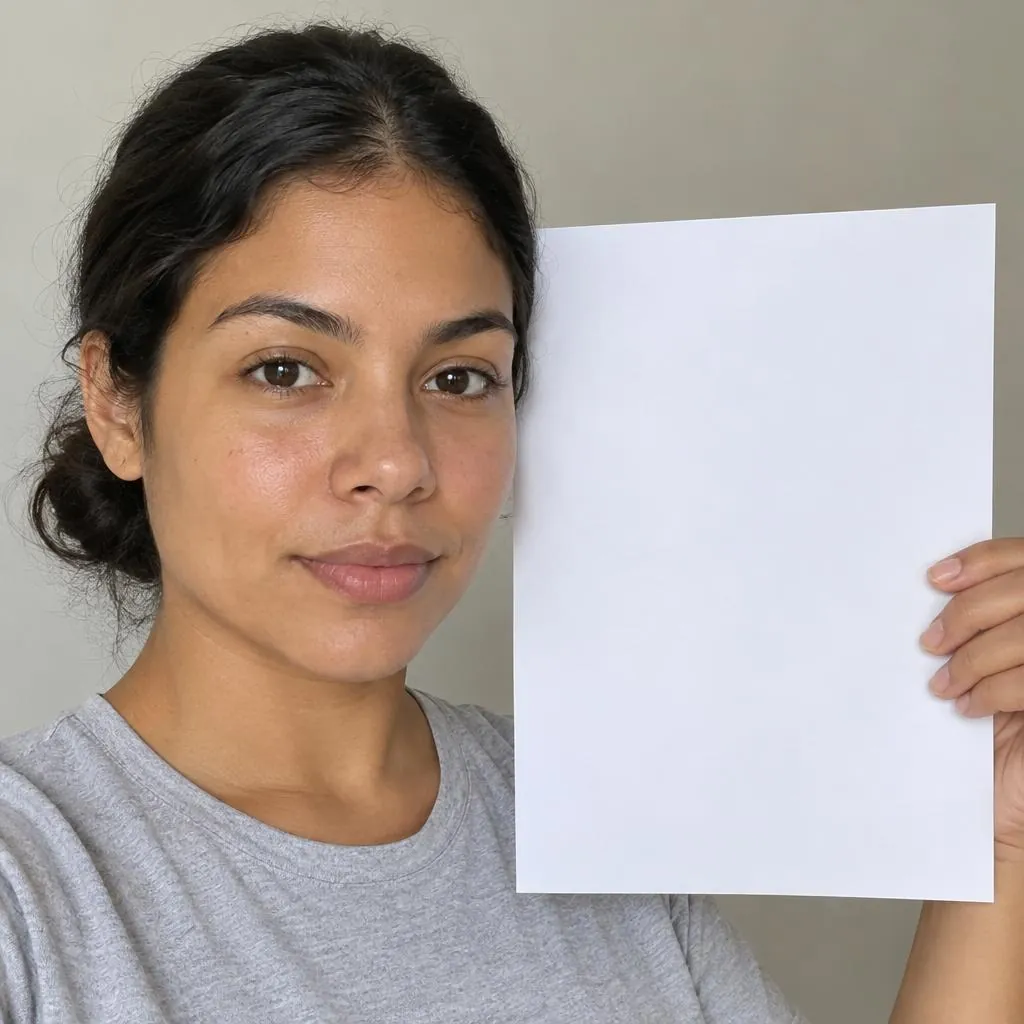 Free Online Color AnalysisHow white-paper calibration and screen-flash measurement find your color season free on your phone in 3 minutes.
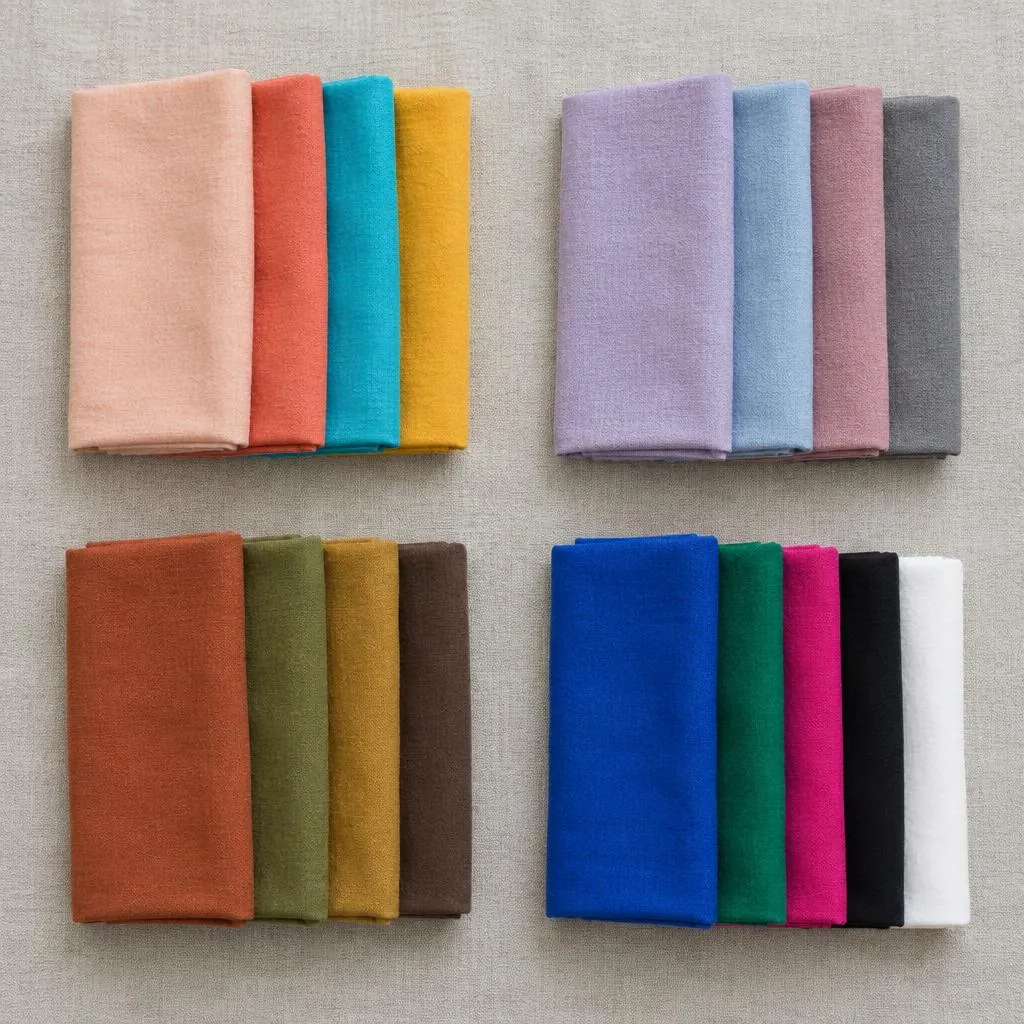 The 12 Color SeasonsAll 12 color seasons in one place: comparison table, real hex palettes, sister seasons, and how to find yours.
Find your color season. It's free.
Season, undertone, contrast, palette, and makeup guide in 3 minutes.
Start my free analysis