Season · Autumn
Warm Autumn Color Palette: The Complete True Autumn Guide
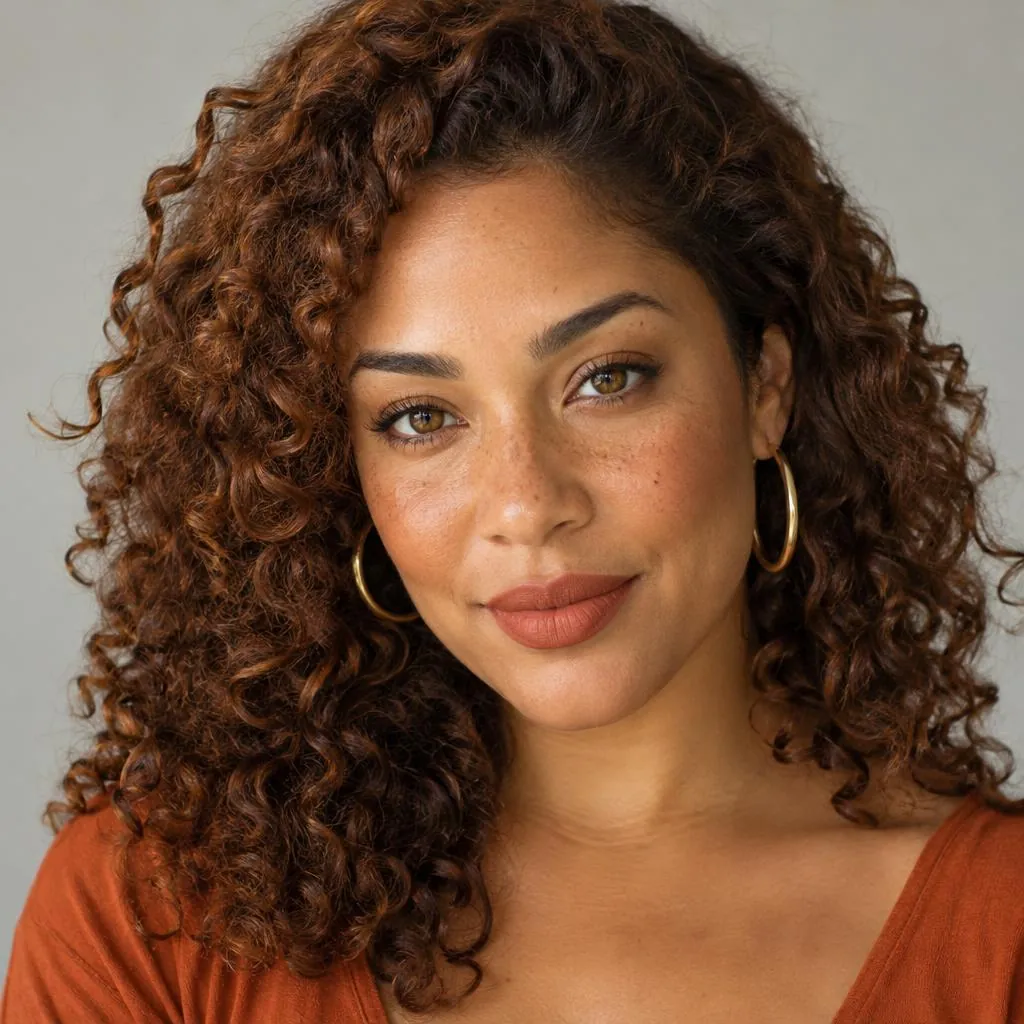
The warm autumn color palette—also known as True Autumn—celebrates pure, unmistakable golden warmth grounded by rich earthiness: burnt orange, rust, mustard, olive, cinnamon, terracotta, camel, moss green, warm chestnut, and wheat. It belongs to people whose natural coloring radiates golden, peachy, or bronze warmth with medium-to-deep value and rich, balanced saturation. While icy cool shades like silver, lavender, and bubblegum pink instantly flatten this complexion, yellow gold, copper, and spice-toned layers make a Warm Autumn face come alive.
Updated 2026-11-26 · GlowMap Editorial Team
Quick answer
- Warm Autumn (True Autumn) = purely warm undertone + medium-deep value + rich, earthy saturation. Warmth is your number-one rule: zero icy coolness belongs near your face.
- Inclusive across all skin depths: fair golden-freckled skin, medium amber or warm olive skin, and deep golden-chestnut or bronze-undertone dark skin can all be Warm Autumn.
- Core signature shades: Burnt Orange, Rust, Mustard, Olive, Cinnamon, Terracotta, Camel, Moss Green, Warm Chestnut, and Wheat.
- Avoid right next to your face: Bubblegum Pink, Silver, Lavender, and Cool Navy—anything with a chilly blue or frosty pastel base.
- Best metals & finishes: Yellow gold, copper, and warm bronze, paired with terracotta or brick-red lips and rich copper-bronze eyes.
What Defines Warm Autumn (True Autumn) on the Three Axes
Within personal color analysis, Warm Autumn sits at the absolute warm heart of the Autumn family—which is why many analysts call it True Autumn. Unlike its siblings that lean toward Summer softness or Winter darkness, Warm Autumn is anchored purely in golden heat and autumn-leaf richness.
- Undertone (purely warm): Your defining trait is unmistakable yellow-golden warmth. Every shade in your palette has a golden or earthy base; cool blue-based pigments clash almost immediately next to your skin.
- Depth (medium to medium-deep): Warm Autumn colors feel grounded and substantial—think cinnamon bark, ripe wheat, olive groves, and burnished copper. They are deeper and earthier than the bright, sunlit warmth of Warm Spring, yet lighter and more golden than Deep Autumn.
- Contrast (medium, rich): Your natural features hold a steady, medium level of contrast and saturation. Ultra-dusty tones can look slightly flat on you, while electric neons feel synthetic; rich, toasted natural pigments hit the sweet spot. Explore how contrast shapes styling in high contrast vs. low contrast.
Picture an October forest at golden hour: falling maple leaves, roasted chestnuts, moss on warm stone, and spice markets. If those colors make your skin look rested, glowing, and even-toned—while pale lilac or cool gray makes you look tired—Warm Autumn is likely your home.
How to Recognize Warm Autumn Across All Skin Depths
Warm Autumn is not limited to redheads or pale freckled skin. Pure golden warmth and rich medium depth appear naturally across every complexion depth:
- Fair to light skin: Warm ivory, golden cream, or peachy beige, often accompanied by golden or cinnamon freckles. Even when fair, your skin carries visible yellow-gold warmth rather than translucent cool pink.
- Medium, tan, and olive skin: Golden honey, warm caramel, or rich golden-olive complexions that tan into a warm bronze tone. If you have a golden-green cast that clashes with cool silver, check our color analysis for olive skin guide to see how True Autumn greens and terracottas harmonize with olive skin.
- Deep and rich dark skin: Luminous golden-brown, warm chestnut, copper-mahogany, and rich deep bronze complexions. As explained in our color analysis for dark skin guide, Mustard, Burnt Orange, Olive, and yellow gold look extraordinary against deep warm-undertone skin without ever needing stark black or neon contrast.
Natural Warm Autumn hair usually reveals golden, copper, or auburn highlights in sunlight—ranging from honey blonde and strawberry copper to golden chestnut, warm auburn, and rich chocolate brown with natural bronze warmth. Eyes often glow with warm flecks: amber, golden hazel, warm olive green, topaz, or rich chestnut brown.
| At-home clue | Typical Warm Autumn response |
|---|---|
| Undertone check | Clearly warm—wrist veins look green or olive, and golden tones beat pink tones every time (see skin undertone test) |
| Metal preference | Yellow gold, copper, and warm bronze light up the face; cool silver looks chalky or separate |
| White drape test | Wheat and warm cream flatter seamlessly; crisp blue-white looks stark and drains warmth |
| Pink vs. orange test | Terracotta and Burnt Orange make eyes sparkle; Bubblegum Pink and Lavender bring out sallowness |
The Complete Warm Autumn Color Palette & Earthy Neutrals
The warm autumn color palette trades sterile black-and-gray basics for rich, appetizing earth neutrals and spice-toned statements. Because every swatch shares a warm golden base, almost any two or three colors in the palette combine effortlessly.
Burnt Orange
Rust
Mustard
Olive
Cinnamon
Terracotta
Camel
Moss Green
Warm Chestnut
Wheat
| Color family | Signature Warm Autumn shades | Best wardrobe role |
|---|---|---|
| Warm dark neutrals | Cinnamon, Warm Chestnut, rich chocolate brown, Olive | Coats, blazers, tailored trousers, boots, and belts in place of black |
| Light & mid neutrals | Wheat, Camel, golden beige, warm cream | Shirts, knitwear, linen basics, and collared layers in place of optic white |
| Spice & fire accents | Burnt Orange, Rust, Terracotta, Mustard | Statement sweaters, dresses, lipsticks, and scarves right near the face |
| Forest greens | Olive, Moss Green, warm pine | Everyday jackets, utility overshirts, suiting, and eye makeup |
Colors to Avoid—and How to Keep Them Away From Your Face
Warm Autumn's biggest enemy is icy coolness. Cool pink, silvery gray, frosty lavender, and blue-heavy navy pull against your golden undertone, creating dull shadows around the mouth and eyes.
Bubblegum Pink
Silver
Lavender
Cool Navy
Choose near your face
- Terracotta, Rust, and Burnt Orange
- Mustard, Wheat, and Camel
- Olive, Moss Green, and Warm Chestnut
- Yellow gold, copper, and warm bronze
Avoid near your face
- Bubblegum Pink, cool fuchsia, and baby pink
- Lavender, icy lilac, and cool periwinkle
- Cool Navy, stark black, and blue-gray
- Cool chrome silver and icy platinum
Still love Cool Navy denim or a silver-hardware tote? Keep off-palette cool shades below the waist or away from your neckline. Pair navy jeans with a Camel sweater and Rust scarf, or balance cool outerwear by placing a Wheat turtleneck and yellow gold hoop earrings closest to your face.
Metals, Makeup, and Hair Color for Warm Autumn
Warm Autumn makeup and metals look best when they feel toasted, sun-warmed, and naturally rich—never frosty, metallic-blue, or chalky.
- Metals & jewelry: Yellow gold, copper, and warm bronze are your signature metals. Both soft-polished and hammered finishes work beautifully, along with amber, tortoiseshell, wood, and tiger's eye accents. Cool silver looks noticeably disconnected next to Warm Autumn skin.
- Foundation & concealer: Choose a warm (golden or yellow-peach) undertone matched accurately to your skin depth—whether fair, medium, tan, or deep. Skip pink-beige or neutral-cool formulas that turn ashy in daylight. Test stripes along your jawline in natural window light so face and neck blend seamlessly; see how to find your foundation undertone for step-by-step matching.
- Lips: Terracotta, brick red, caramel, and burnt orange bring instant energy without looking harsh. Warm pumpkin-nudes and toasted cinnamon glosses work wonderfully for daytime, while cool berry or blue-pink lipsticks look unnatural.
- Blush & bronzer: Terracotta and toasted peach blush melts right into Warm Autumn skin, and warm bronzer flatters you more naturally than almost any other season. Avoid icy rose or lilac-pink blushes.
- Eyes: Copper, bronze, gold, olive green, and rich warm brown eyeshadows echo your palette effortlessly. Swap stark jet-black liner for deep espresso, warm chestnut, or antique bronze for softer definition.
- Hair color: Natural-looking copper, golden chestnut, and rich auburn amplify Warm Autumn radiance, as do honey-caramel ribbons woven through a warm brown base. Stay away from ash blonde, cool mushroom brown, blue-black, or icy silver toners. Before any chemical dye or gloss service, always request a salon strand test and skin patch test to confirm both color pull and allergy safety.
Outfits, Patterns, and Fabrics for Warm Autumn
Warm Autumn clothing looks richest when you combine tactile, organic fabrics with generous earth-tone layering. A Warm Chestnut leather jacket over a Wheat tee and Olive trousers, or a Mustard knit paired with Cinnamon corduroy, feels cohesive and intentional.
- Fabrics & textures: Textured, nature-inspired materials shine on True Autumn—suede, tweed, corduroy, heavyweight linen, ribbed wool, brushed twill, woven raffia, and rich leather in cognac or chestnut.
- Patterns & prints: Medium-contrast, warm-grounded patterns work best: classic plaid in Rust, Olive, and Wheat; paisley in Terracotta and Mustard; warm leopard or tortoiseshell prints; and botanical motifs on Camel or chocolate backgrounds.
- Styling balance: Aim for rich medium contrast—pair a warm light neutral like Wheat with medium-dark anchors like Olive or Warm Chestnut rather than stark black-and-white blocks.
Warm Autumn vs. Neighbor Seasons & How to Confirm
Because Warm Autumn is defined by pure warmth, its three closest neighbors test two clear questions: are your best colors brighter and lighter (Warm Spring), softer and dustier (Soft Autumn), or darker and heavier (Deep Autumn)?
| Neighbor season | Shared trait | Decisive daylight test |
|---|---|---|
| Warm Spring | Same pure golden warmth | Compare Burnt Orange and Olive against Coral and Turquoise. If earthy toasted shades look richer while bright Spring colors feel too bouncy or loud, you are Warm Autumn. |
| Soft Autumn | Same warm earthy family | Compare Mustard and Rust against Khaki and Soft Terracotta. If dusty beige tones wash you out and rich spice shades wake up your eyes, you are Warm Autumn. |
| Deep Autumn | Same warm Autumn warmth | Compare Wheat and Camel against Espresso and Warm Wine. If very dark tones feel heavy and medium golden warmth glows more, you are Warm Autumn. |
Warm Spring
Pure warmth and vibrancy: golden, sunny, lively colors bring you to life.
Soft Autumn
Natural and effortless: warm, earthy, gently muted shades with low contrast.
Deep Autumn
Warm depth and richness: dark, opulent, earthy colors with cozy intensity.
- 1
Confirm pure warmth first
In indirect window daylight without makeup, compare Terracotta or Mustard against Cool Navy or Lavender. If cool hues instantly dull your skin, warmth is your dominant axis.
- 2
Test earthy richness vs. sunny brightness
Hold Olive and Rust against bright Warm Spring Coral and Lime Green. Warm Autumn glows in grounded, toasted richness.
- 3
Measure with white-paper calibration
Read how our free online personal color analysis removes indoor lighting bias, or take the 3-minute photo analysis now to confirm your season and neighbor.
Frequently asked questions
Is Warm Autumn the same as True Autumn?
Yes. Warm Autumn and True Autumn refer to the same season in the 12-season system—the purest, warmest expression of the Autumn family with zero cool undertone.
How do I know if I am Warm Autumn or Warm Spring?
Both seasons are purely warm, so depth and earthiness decide the winner. Warm Autumn looks best in grounded, toasted shades like Rust, Olive, Mustard, and Cinnamon, whereas Warm Spring shines in lighter, brighter sunlit colors like Coral, Turquoise, and bright Gold.
Can Warm Autumn wear black?
True black is too cool and stark right next to a Warm Autumn face and can emphasize shadows. Swap black tops and jackets for Warm Chestnut, chocolate brown, Cinnamon, or Olive, and keep black for pants, shoes, or accessories away from your face.
Can people with dark skin be Warm Autumn?
Absolutely. Warm Autumn is defined by strong golden undertone and rich medium-deep harmony, not pale skin. Deep bronze, golden-chestnut, and rich copper-brown complexions look luminous in Burnt Orange, Mustard, Olive, Terracotta, and yellow gold.
What is the best hair color for Warm Autumn?
Copper, golden chestnut, rich auburn, and warm honey-caramel highlights enhance your natural warmth. Avoid ash tones, cool black, and icy blonde, and always ask your salon for a strand test and patch test before chemical coloring.
What lipstick colors flatter Warm Autumn?
Terracotta, brick red, caramel, burnt orange, and warm cinnamon nudes look effortless on Warm Autumn. Skip cool bubblegum pink, icy mauve, and blue-based fuchsia.
Read next
 Warm SpringPure golden warmth and vibrancy: coral, orange, gold, turquoise, lime green, caramel, amber, and warm cream.
 Soft AutumnWarm-neutral, muted earth tones: camel, light olive, soft terracotta, khaki, deep sage, and peachy cream.
 Deep AutumnDark, opulent warm earth tones: chocolate, deep brick, dark olive, deep teal, warm wine, espresso, and deep gold.
 The 12 Color SeasonsAll 12 color seasons in one place: comparison table, real hex palettes, sister seasons, and how to find yours.
 Gold vs Silver TestHow to run the gold vs silver test in daylight, avoid finish traps, and read warm, cool, or neutral undertones.
Find out if Warm Autumn is truly your palette—free in 3 minutes.
Season, undertone, contrast, palette, and makeup guide in 3 minutes.
Start my free analysis