Season · Autumn
Soft Autumn Color Palette: The Complete Muted Autumn Guide
The soft autumn color palette—also called Muted Autumn in the 12-season system—centers on warm, earthy, sun-washed shades softened with a whisper of gray or brown: camel, light olive, soft terracotta, khaki, soft moss, deep sage, and peachy cream. It flatters people whose natural coloring has a warm-leaning neutral undertone, medium depth, and low overall contrast between skin, hair, and eyes. Because softness is your dominant trait, stark black, optic white, and electric brights overpower your features, while brushed matte gold and blended tonal outfits bring immediate calm and clarity to your complexion.
Updated 2026-11-26 · GlowMap Editorial Team

Quick answer
- Soft Autumn (Muted Autumn) = warm-neutral undertone + medium depth + low contrast. Softness (low chroma) is the defining trait—every flattering color looks gently blended rather than sharp or neon.
- Inclusive across all skin depths: fair golden-beige, light-to-medium muted olive, warm tan, and deep warm-neutral brown complexions can all belong to Soft Autumn when overall contrast stays low and blended.
- Core signature shades: Camel, Light Olive, Soft Terracotta, Khaki, Soft Moss, Warm Beige, Matte Gold, Cinnamon, Deep Sage, and Peachy Cream.
- Avoid right next to your face: Black, Stark White, Magenta, Electric Blue, and high-gloss neon tones; swap them for espresso-soft brown, peachy cream, and muted earthy accents.
- Best metals & finishes: Brushed matte gold and antique bronze, paired with matte or satin fabrics, warm brownish-nude or soft terracotta lips, and blended olive-bronze eyes.
What Defines Soft Autumn in the Three Dimensions
Every season in personal color analysis is mapped across three measurable dimensions: undertone (temperature), depth (value), and contrast (chroma or intensity). In Soft Autumn, low intensity takes the lead. Think of late-afternoon sunlight over dry grass, weathered linen, clay pottery, and crushed sage leaves: the colors look calm because each hue is gently muted rather than pure and vivid.
- Undertone (warm-leaning neutral): Soft Autumn sits on the boundary between Autumn and Summer. Your skin carries gentle golden, peachy, or warm-olive warmth, never icy blue-pink, yet it does not demand the blazing orange heat of Warm Autumn.
- Depth (medium): Your palette lives comfortably in the middle range—neither delicate pastel like Light Spring nor heavily shadowed like Deep Autumn. Even your lightest neutral is a creamy beige rather than stark white, and your darkest anchor stays softer than jet black.
- Contrast (low to medium-low): Skin, hair, brows, and eyes flow into one another with minimal stark jumping from light to dark. Our guide on high contrast vs. low contrast explains why matching your outfit's contrast level to your face matters as much as picking the right hue.
Because Soft Autumn sits closest to neutral warmth, it is frequently called Muted Autumn and is the season most commonly confused with Soft Summer. Many people who feel washed out in both bright summer pastels and intense autumn spice tones finally feel at home once they discover this gently dusty warm family.
How to Recognize Soft Autumn Across Every Skin Depth
A common myth is that Soft Autumn only describes fair skin with light brown hair. In reality, a season reflects the relationship between your undertone, depth, and softness—never a single skin shade. Soft Autumn appears across the entire spectrum of skin depths:
- Fair to light skin: Ivory-beige, soft peach-beige, or light muted olive with a quiet golden cast. You may have soft freckles and notice that stark white collars make your skin look slightly sallow or tired.
- Medium, tan, and olive skin: Warm sand, muted honey, or gentle golden-olive skin that tans softly without turning bright bronze. Olive-skinned Soft Autumns often struggle to identify their undertone at first—our color analysis for olive skin guide unpacks why muted greens and warm taupes harmonize so well.
- Deep and rich dark skin: Warm-neutral caramel, roasted almond, soft espresso, or rich muted umber skin where the hair, brows, and eyes blend smoothly with the complexion rather than creating harsh contrast. As detailed in our color analysis for dark skin guide, muted earthy depth and brushed matte gold can look remarkably luminous on deep low-contrast complexions.
Across all skin depths, Soft Autumn hair tends to be muted rather than glossy jet black or electric copper: golden medium brown, dark honey blonde, soft chestnut, muted dark brown, or warm mouse-brown that lifts slightly golden in sunlight. Eyes are often blended or multi-tonal—hazel, muted olive green, warm gray-green, soft amber, or gentle milk-chocolate brown—without a razor-sharp dark ring around the iris.
| At-home clue | Typical Soft Autumn response |
|---|---|
| Undertone check | Subtle golden or olive warmth; vein and wrist checks often look greenish-blue or hard to call—see our skin undertone test |
| White vs. cream drape | Peachy cream and warm beige smooth out the skin; optical white feels harsh and emphasizes shadows |
| Jewelry check | Brushed matte gold and antique bronze melt into the skin; high-shine chrome silver looks chilly or detached |
| Bright color reaction | Hot magenta or electric blue enters the room before your face does and draws attention to under-eye lines |
The Complete Soft Autumn Color Palette & Core Neutrals
Every shade in the soft autumn color palette feels sun-warmed and slightly dusty, as though viewed through a soft linen filter. Rather than relying on black and white, you build outfits from layered warm earth neutrals and gentle herbal greens.
Camel
Light Olive
Soft Terracotta
Khaki
Soft Moss
Warm Beige
Matte Gold
Cinnamon
Deep Sage
Peachy Cream
| Color family | Signature Soft Autumn shades | Best wardrobe role |
|---|---|---|
| Core neutrals | Camel, Warm Beige, Khaki, Cinnamon, Peachy Cream | Trousers, trench coats, knitwear, everyday tees, and leather bags |
| Botanical greens | Light Olive, Soft Moss, Deep Sage | Blouses, utility jackets, linen dresses, and subtle eyeshadow |
| Warm earth accents | Soft Terracotta, Matte Gold, muted brick, dusty salmon | Tops near the face, lip color, blush, and knit scarves |
| Soft bridging tones | Muted warm teal, dusty plum-brown, warm taupe | Evening layers and smart-casual pieces that cross gently toward Soft Summer |
Colors to Avoid—and How to Wear Them Away From Your Face
What drains a Soft Autumn complexion fastest is not coolness alone—it is excessive contrast and electric saturation. Pure pigments and stark light-dark extremes overwhelm a naturally blended face, making skin look duller or uneven.
Magenta
Black
Electric Blue
Stark White
Wear near your face
- Peachy Cream and Warm Beige
- Camel, Khaki, and Cinnamon
- Soft Terracotta and muted brick
- Light Olive, Soft Moss, and Deep Sage
Swap out near your face
- Stark White and icy optical tints
- Jet Black and cold blue-charcoal
- Magenta, neon pink, and sharp crimson
- Electric Blue and vivid cobalt
You do not have to purge every black piece from your closet. Color analysis mainly governs what reflects light onto your jawline and neck. Keep Black, Stark White, or bright accents below the waist—tailored black trousers, crisp white sneakers, or a bold belt—and place Camel, Deep Sage, or Soft Terracotta directly under your chin via your top, collar, or scarf.
Metals, Makeup, and Hair Color for Soft Autumn
Soft Autumn shines when finishes stay satin, brushed, or softly matte. Mirror-like glare—whether in chrome jewelry, frosty highlighter, or glossy patent leather—creates sharp contrast that fights your natural harmony.
- Metals & jewelry: Choose brushed matte gold and antique bronze first. Aged brass and muted warm rose gold also blend seamlessly if you sit near the neutral border. High-shine yellow gold can look slightly loud, while bright silver tends to cast a grayish shadow. See our gold vs. silver test for side-by-side daylight checks.
- Foundation & concealer: Match your exact skin depth (fair, light, medium, tan, or deep) with a warm-neutral or muted golden/olive undertone—avoid overly rosy cool bases and overly orange ultra-warm bases. Always swatch along the jawline in natural window daylight so the shade disappears between face and neck; our guide on how to find your foundation undertone walks through the full check.
- Lips: Reach for warm brownish nude, soft terracotta, peachy rose, and muted brick in creamy satin, sheer balm, or soft-matte textures. Skip neon fuchsia, stark blue-red, and frosty pale pink.
- Blush & bronzer: Muted peach and soft terracotta blushes mimic a natural sunlit flush without looking stripey. A soft matte warm bronzer blends better than orange-toned shimmer.
- Eyes: Warm brown, matte bronze, olive, and khaki shadows define your eyes effortlessly. Softly smoked espresso or warm brown eyeliner and mascara flatter much more than crisp jet-black liquid wings.
- Hair color: Enhance your natural base with golden medium brown, deep honey, or subtle warm balayage using low-contrast ribbons rather than chunky streaks. Avoid jet-black box dye, icy platinum, or fiery neon copper. Before any chemical hair coloring or lightening, ask your stylist for a salon strand test and skin patch test to check both the final tone and sensitivity.
Outfits, Patterns, and Textures That Flatter Muted Autumn
Soft Autumn outfits look most expensive when they rely on tonal dressing—pairing shades that sit close together in depth so the eye glides smoothly from head to toe. Think Camel trousers with a Peachy Cream knit and a Cinnamon suede belt, or Light Olive linen layered over Warm Beige and Soft Terracotta.
- Fabrics & textures: Natural, light-absorbing weaves are your superpower—washed linen, brushed cotton, cashmere, oatmeal knitwear, suede, matte silk, and corduroy. Heavy patent vinyl or mirror-finish satin feels too sharp.
- Patterns & prints: Pick low-contrast, organic motifs where background and foreground share similar depth: faded botanicals, watercolor florals, soft herringbone in Khaki and Warm Beige, tonal plaids in Deep Sage and Camel, or muted tortoiseshell accents.
- Patterns to skip near the face: High-contrast black-and-white stripes, sharp checkerboard graphics, or neon color-blocking.
Soft Autumn vs. Neighbor Seasons & How to Confirm
Because Soft Autumn sits in the quiet middle of the seasonal wheel, confirming it comes down to two crisp comparisons: temperature against Soft Summer, and intensity or depth against Warm Autumn and Deep Autumn.
| Neighbor season | Shared trait | Decisive daylight test |
|---|---|---|
| Soft Summer | Same medium depth and low muted contrast | Hold Camel and brushed matte gold against Rosy Taupe and brushed silver. If Camel warms and evens your skin while Rosy Taupe turns slightly gray, you are Soft Autumn. |
| Warm Autumn | Same warm earthy family | Compare Soft Terracotta and Light Olive against Burnt Orange and Mustard. If the richer spice colors overpower your features, stay in Soft Autumn. |
| Deep Autumn | Same warm-neutral undertone | Compare Camel and Deep Sage against Espresso and Warm Wine. If very dark tones feel heavy rather than grounding, you are Soft Autumn. |
Soft Summer
Understated sophistication: cool, dusty, low-contrast tones that feel blended and calm.
Warm Autumn
Rich earth and spice: golden, warm, saturated tones that echo autumn leaves.
Deep Autumn
Warm depth and richness: dark, opulent, earthy colors with cozy intensity.
- 1
Test in indirect window daylight
Stand facing a window with zero makeup and turn off warm indoor lamps, which artificially add yellow and nudge cool seasons toward Autumn.
- 2
Verify muted vs. vivid first
Hold Soft Terracotta next to Electric Blue or Magenta. If the muted shade immediately calms redness and softens under-eye shadows, your dominant trait is softness.
- 3
Run a calibrated check
Try our free online personal color analysis or jump straight into the photo analysis with a sheet of white paper to calibrate lighting and see both your season and closest neighbor.
Frequently asked questions
What is the difference between Soft Autumn and Muted Autumn?
They are two names for the exact same season in the 12-season color system. Soft Autumn is the most common name, while Muted Autumn highlights the palette's signature low saturation and blended finish.
How can I tell if I am Soft Autumn or Soft Summer?
Both seasons share medium depth and low contrast, so focus strictly on undertone. Test Camel, Light Olive, and brushed matte gold against Rosy Taupe, Blue Sage, and brushed silver in natural daylight. Soft Autumn looks healthier in golden earth tones; Soft Summer looks clearer in cool dusty mauves and grays.
Can someone with deep or dark skin be a Soft Autumn?
Yes. Personal color analysis measures undertone, relative contrast, and chroma—not how light or dark your skin is. Deep warm-neutral or muted olive skin with low-to-medium contrast between skin, hair, and eyes can look radiant in Soft Autumn's Camel, Cinnamon, Deep Sage, and brushed matte gold.
Can Soft Autumn wear black or white?
Right next to your face, true Black and Stark White create too much contrast and tend to harden Soft Autumn features. Swap them for Cinnamon, soft espresso, Deep Sage, and Peachy Cream near your neckline, and save black or stark white for pants, skirts, shoes, and bags.
What lipstick shades look best on Soft Autumn?
Warm brownish nude, soft terracotta, peachy rose, and muted brick in satin, balm, or soft-matte finishes harmonize naturally. Avoid bright magenta, sharp blue-red, or frosty pale pink, which can look disconnected from your skin.
Does Soft Autumn look better in gold or silver jewelry?
Brushed matte gold and antique bronze are the most flattering metals because they combine gentle warmth with a low-glare finish. Polished mirror silver often looks too cool and stark, though muted warm rose gold can work nicely on neutral-leaning Soft Autumns.
Read next
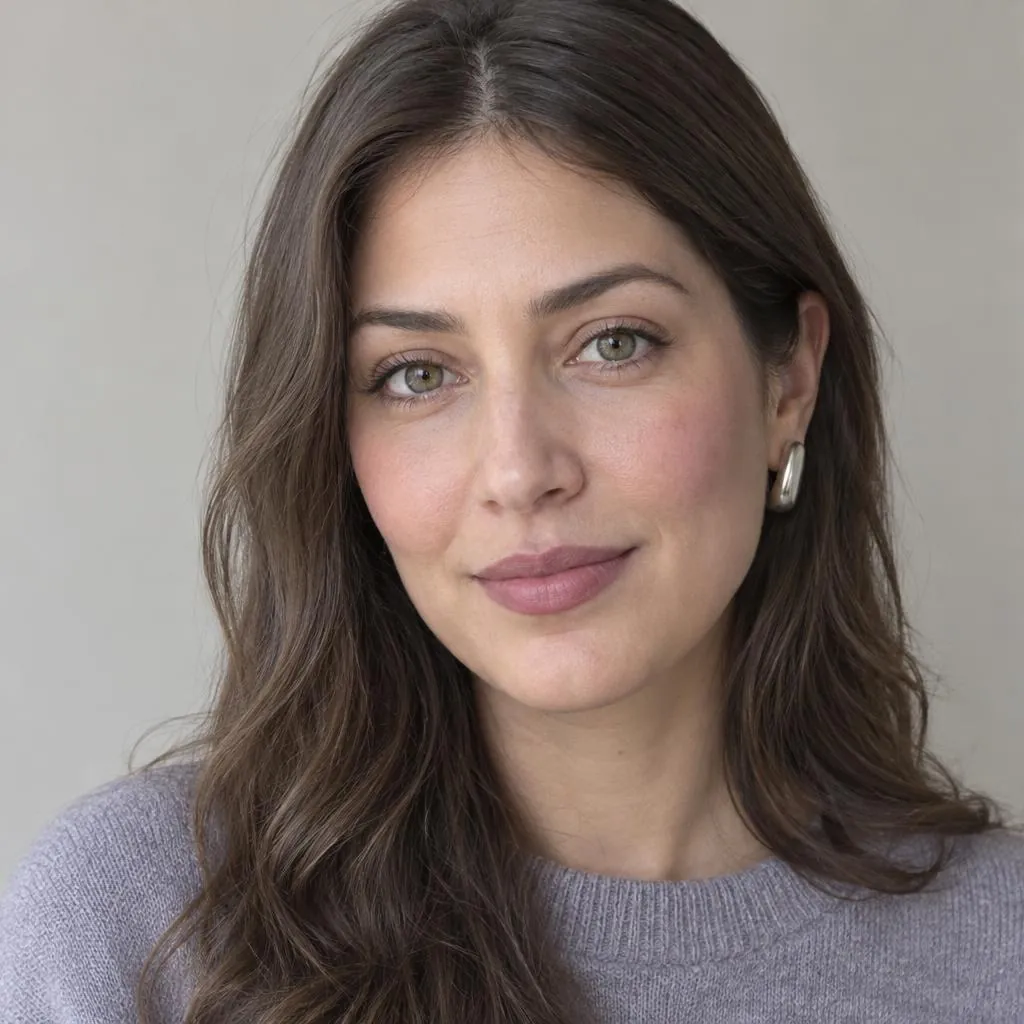 Soft SummerUnderstated cool-muted calm: dusty lilac, dusty rose, blue sage, faded denim, mauve, rosy taupe, and soft slate.
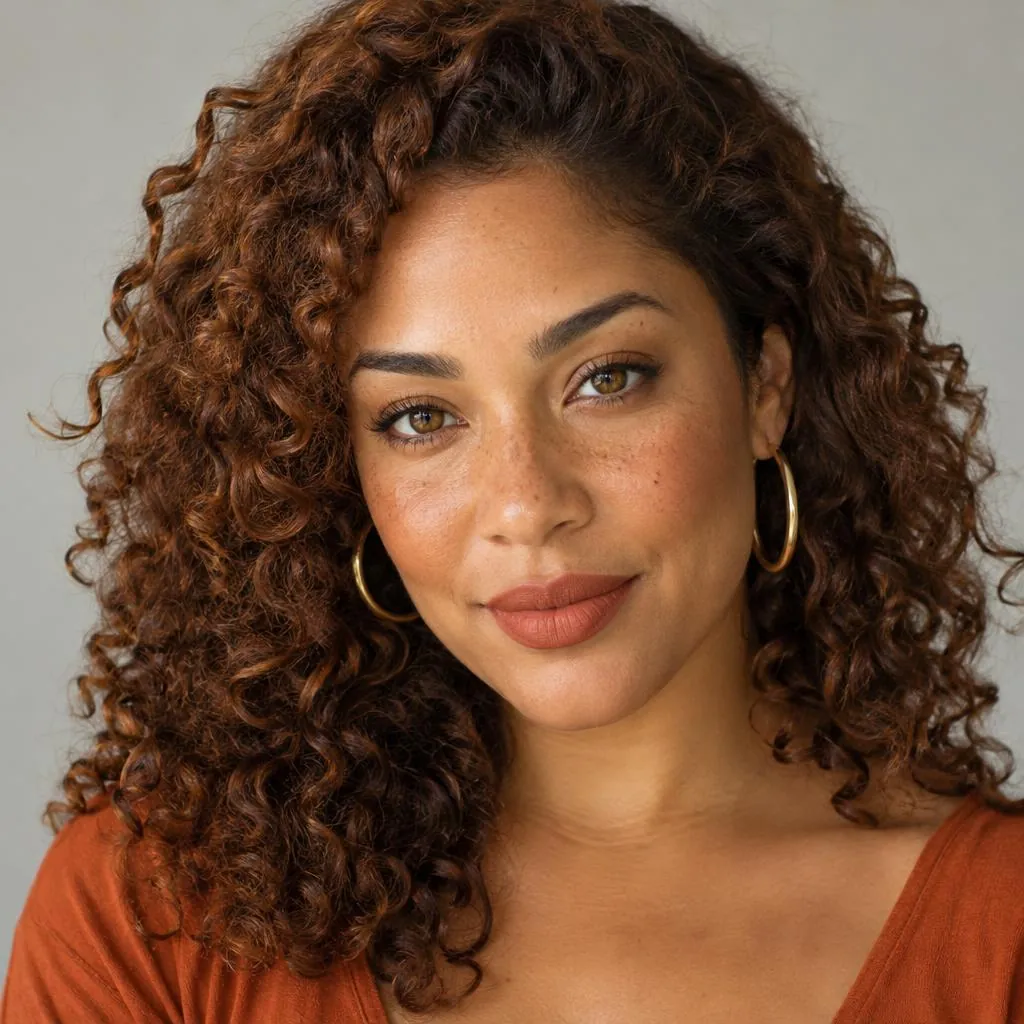 Warm AutumnRich golden earth and spice tones: burnt orange, rust, mustard, olive, cinnamon, terracotta, and warm chestnut.
 Deep AutumnDark, opulent warm earth tones: chocolate, deep brick, dark olive, deep teal, warm wine, espresso, and deep gold.
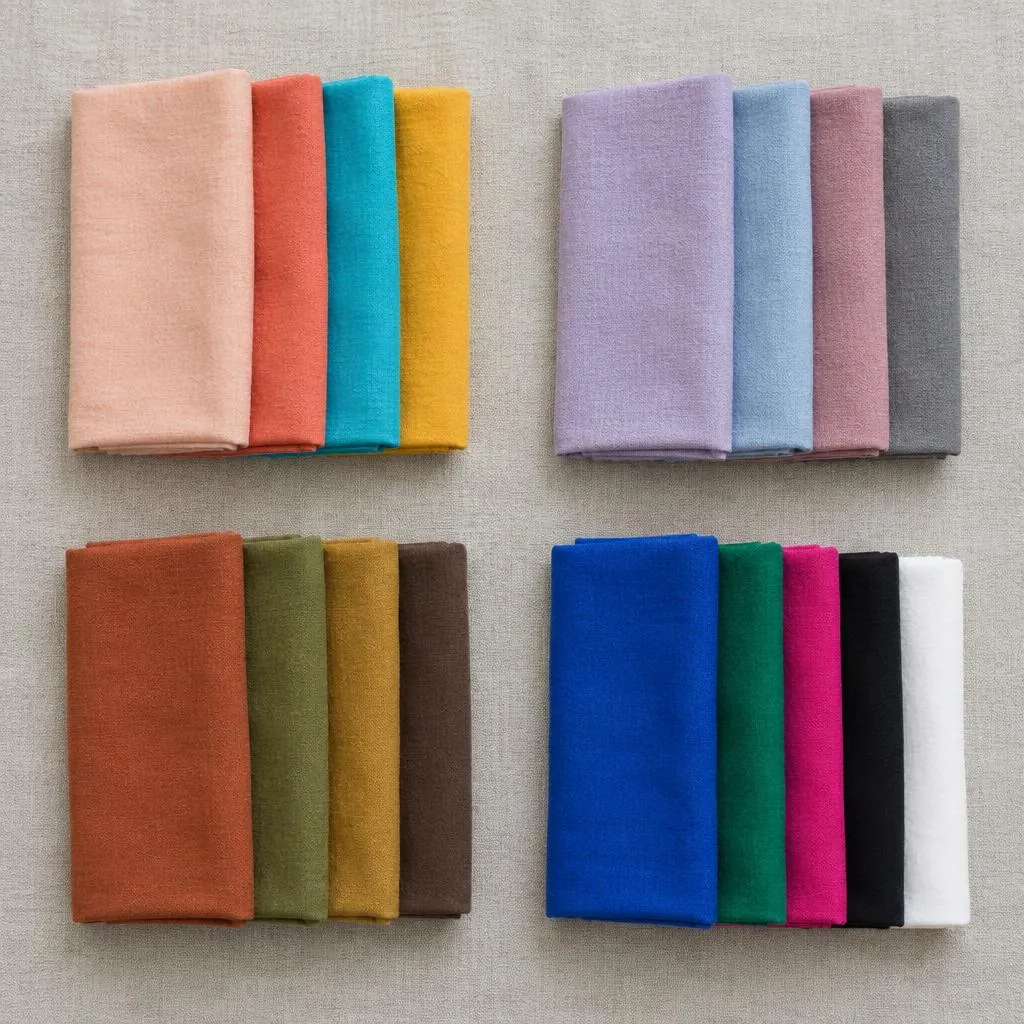 The 12 Color SeasonsAll 12 color seasons in one place: comparison table, real hex palettes, sister seasons, and how to find yours.
 High vs Low ContrastHow to measure the lightness gap between your skin, hair, and eyes to choose balanced outfits, prints, and makeup.
Confirm whether Soft Autumn is truly your season—free in 3 minutes.
Season, undertone, contrast, palette, and makeup guide in 3 minutes.
Start my free analysis