Season · Autumn
Deep Autumn Color Palette: The Complete Dark Autumn Guide
The deep autumn color palette—widely known as Dark Autumn—combines cozy golden warmth with opulent, dramatic depth: chocolate, deep brick, dark olive, deep gold, sienna, deep teal, warm wine, copper, espresso, and warm cream. It belongs to people whose primary visual characteristic is darkness and richness, supported by a warm-leaning neutral undertone and medium-high contrast. Pastel pinks, powder blues, and cool silver wash this coloring out, whereas espresso neutrals, aged bronze, and deep earthy jewel tones sharpen and illuminate the face.
Updated 2026-11-26 · GlowMap Editorial Team

Quick answer
- Deep Autumn (Dark Autumn) = warm-neutral undertone + deep value + rich medium-high contrast. Depth is your dominant dimension: rich, dark pigments ground your features best.
- Inclusive across all skin depths: high-depth fair ivory-olive skin with dark hair and eyes, medium golden-olive or tan skin, and deep espresso or rich mahogany dark skin can all belong to Deep Autumn.
- Core signature shades: Chocolate, Deep Brick, Dark Olive, Deep Gold, Sienna, Deep Teal, Warm Wine, Copper, Espresso, and Warm Cream.
- Avoid right next to your face: Pastel Pink, Lavender, Powder Blue, and Silver—icy, chalky pastels and cool metals flatten your natural richness.
- Best metals & finishes: Rich gold, aged bronze, and copper, paired with warm wine or deep brick lips and chocolate-copper eyes.
What Defines Deep Autumn (Dark Autumn) Across the Three Dimensions
In personal color analysis, Deep Autumn sits right on the bridge between Autumn warmth and Winter depth—which is why it is equally famous as Dark Autumn. While every Autumn palette leans earthy, Deep Autumn turns down the lightness and turns up the drama, creating colors that feel velvety, opulent, and anchored.
- Depth (deep/dark—dominant trait): Your features carry unmistakable visual weight—often anchored by very dark hair, dark brows, deep eyes, rich skin depth, or all of them together. Pale, airy colors look flimsy beside that natural weight.
- Undertone (warm-leaning neutral): Because Deep Autumn borders Deep Winter, your undertone is warm-neutral rather than aggressively orange. Golden, olive, bronze, or earthy red warmth sits beneath the skin, allowing you to wear rich Warm Wine and Deep Teal without turning icy.
- Contrast (medium to medium-high): Deep Autumn handles noticeably stronger contrast than Soft Autumn—for instance, Warm Cream paired with Espresso or Deep Gold against Chocolate—yet feels softer and warmer than stark black-and-optic-white Winter pairing. See high contrast vs. low contrast to calibrate your contrast level.
Think of dark roasted espresso beans, burnished copper lamps, mahogany wood, velvet wine, and forest canopy shadows at dusk. Those deep, warm pigments mirror your natural richness so your face stands out clearly instead of getting drowned in chalky tones.
How to Recognize Deep Autumn Across Every Skin Depth
Depth in color analysis describes the combined darkness of your skin, hair, and eyes—meaning Deep Autumn spans light, medium, and very deep complexions alike:
- Fair to light skin: Warm ivory, golden beige, or light olive skin paired with very dark espresso hair, defined dark brows, and dark brown, deep hazel, or dark olive eyes. The striking depth of your hair and eyes gives your coloring its Dark Autumn weight.
- Medium, tan, and olive skin: Rich golden-olive, warm bronze, or deep tan complexions paired with dark chocolate or near-black hair. Many warm-olive individuals land in Deep Autumn because Deep Teal and Dark Olive neutralize green casts seamlessly—read more in color analysis for olive skin.
- Deep and rich dark skin: Warm mahogany, deep golden-chestnut, rich espresso, and warm-neutral ebony complexions with deep brown or near-black eyes and dark hair. On deep complexions, Deep Gold, Copper, Sienna, Warm Cream, and Deep Brick create effortless luminosity without looking harsh.
Across all skin tones, Deep Autumn hair is typically dark chocolate, espresso brown, or soft natural black that reveals subtle chestnut or copper warmth in direct sunlight. Eyes lean deep and velvety: dark brown, espresso, deep hazel with golden rings, or dark warm green.
| At-home clue | Typical Deep Autumn response |
|---|---|
| Undertone check | Warm or warm-neutral; wrist veins look greenish or olive-mixed (try our skin undertone test) |
| Metal comparison | Rich gold, aged bronze, and copper glow against the skin; bright cool silver feels chilly (see gold vs. silver test) |
| Pastel drape reaction | Pastel Pink, Lavender, and Powder Blue make skin look gray, tired, or washed out immediately |
| Dark neutral test | Espresso, Chocolate, and Dark Olive look even more flattering and alive than stark cool black |
The Complete Deep Autumn Color Palette & Core Neutrals
The deep autumn color palette revolves around dark, warm neutrals and saturated earthy jewel tones. Because your palette leans neutral-warm, you also unlock dramatic tones like Deep Teal and Warm Wine that lighter Autumns sometimes find too heavy.
Chocolate
Deep Brick
Dark Olive
Deep Gold
Sienna
Deep Teal
Warm Wine
Copper
Espresso
Warm Cream
| Color family | Signature Deep Autumn shades | Best wardrobe role |
|---|---|---|
| Dark core neutrals | Espresso, Chocolate, Dark Olive | Tailored coats, blazers, trousers, knit bases, and leather goods |
| Warm light neutral | Warm Cream | Blouses, crisp shirts, silk camisoles, and scarves instead of optic white |
| Earthy jewel accents | Deep Teal, Warm Wine, Deep Brick | Evening dresses, statement sweaters, blazers, and bold lip color |
| Metallic & spice warmth | Deep Gold, Copper, Sienna | Accent tops, jewelry, belts, and eyeshadows that bring instant glow |
Colors to Avoid—and How to Wear Them Away From Your Face
Two things flatten Deep Autumn immediately: chalky pastel lightness and icy coolness. Light, cool colors have neither the depth nor the warmth your face needs, leaving your skin looking shadowy or tired.
Pastel Pink
Lavender
Powder Blue
Silver
Wear near your face
- Espresso, Chocolate, and Dark Olive
- Warm Wine, Deep Brick, and Sienna
- Deep Teal and Deep Gold
- Warm Cream and burnished Copper
Keep away from your face
- Pastel Pink and icy baby rose
- Lavender and frosty lilac
- Powder Blue and pale icy mint
- Bright chrome Silver and cool gray
What if you own a Powder Blue button-down or silver sneakers? Keep off-palette shades below the waist—skirts, trousers, or footwear—or buffer them near the neckline by layering an Espresso blazer, Dark Olive cardigan, or Warm Wine scarf directly beside your jawline.
Metals, Makeup, and Hair Color for Deep Autumn
Deep Autumn carries rich pigment effortlessly in makeup and metals—in fact, overly pale or sheer washes often disappear on your features.
- Metals & jewelry: Rich gold, aged bronze, and copper are your standout metals. Deeper, slightly burnished or antique gold flatters more than pale watery gold, while bright silver usually clashes. Tortoiseshell, garnet, emerald-olive stones, and amber accents look regal.
- Foundation & concealer: Choose a warm or warm-neutral (golden/olive) undertone matched faithfully to your skin depth (fair, light, medium, tan, or deep). Avoid pink-cool formulas that turn ashy or overly chalky. Always check swatches along your jawline in natural daylight; our guide on how to find your foundation undertone shows how to spot hidden redness or ashiness.
- Lips: Warm wine, deep brick, chocolate berry, and earthy red are effortless statement shades, while toasted caramel-brown and spiced terracotta make ideal everyday nudes. Skip pale frosty pinks and neon cool fuchsias.
- Blush & bronzer: Deep terracotta and warm bronze sculpt and warm the cheeks naturally without looking chalky. Apply rich shades lightly and blend upward for a sculpted, sunlit finish.
- Eyes: Bronze, copper, chocolate, dark olive, and antique gold shadows bring out the velvet depth of Deep Autumn eyes. Espresso or rich warm brown eyeliner looks plush and natural; soft black works well for evening drama.
- Hair color: Deep chocolate, warm espresso brown, or soft black with copper warmth keep your natural depth intact. If you want dimension, ask for subtle caramel-bronze or warm mahogany ribbons rather than icy ash or pale platinum highlights, which fight your dark value. Always ask your stylist for a salon strand test and skin patch test before chemical coloring or lightening.
Outfits, Patterns, and Fabrics for Deep Autumn
Deep Autumn outfits look strongest when they lean into luxurious weight and rich contrast. Pair Espresso tailored trousers with a Warm Cream silk shirt and aged bronze jewelry, or layer a Dark Olive trench over a Deep Brick knit and Chocolate boots.
- Fabrics & textures: Substantial, rich-looking textiles match your visual depth—velvet, suede, smooth dark leather, heavy cashmere, satin-matte silk, merino wool, and structured twill. Flimsy, ultra-sheer pastel chiffons rarely carry enough weight.
- Patterns & prints: Medium-to-high-contrast warm prints work beautifully: rich animal prints in Chocolate and Deep Gold, dark moody florals on an Espresso or Deep Teal ground, heritage plaids in Dark Olive and Warm Wine, and bold tortoiseshell or geometric motifs.
- Black in Deep Autumn: Because you border Deep Winter, you can borrow soft black better than Warm or Soft Autumn—just warm it up with rich gold jewelry, a Deep Brick lip, or a Copper scarf next to your face.
Deep Autumn vs. Deep Winter and Other Neighbor Seasons
The classic crossroads for Dark Autumn is telling it apart from Deep Winter, which shares the exact same dark value and dramatic presence. The tie-breaker is pure temperature—plus checking whether you belong slightly lighter and warmer in Warm Autumn.
| Neighbor season | Shared trait | Decisive daylight test |
|---|---|---|
| Deep Winter | Same deep/dark dominant value | Compare Espresso, Deep Gold, and Warm Cream against Jet Black, Silver, and Pure White. If golden warmth illuminates your skin and Stark White feels harsh, you are Deep Autumn. |
| Warm Autumn | Same warm Autumn family | Compare Deep Teal and Warm Wine against Burnt Orange and Wheat. If dark, dramatic shades anchor you better than lighter golden spice tones, you are Deep Autumn. |
| Soft Autumn | Same warm-neutral undertone | Compare Chocolate and Deep Brick against Khaki and Warm Beige. If muted mid-tones look washed out and deep richness sharpens your features, you are Deep Autumn. |
Soft Autumn
Natural and effortless: warm, earthy, gently muted shades with low contrast.
Warm Autumn
Rich earth and spice: golden, warm, saturated tones that echo autumn leaves.
Deep Winter
Bold depth and contrast: dark, cool, dramatic jewel tones make you stand out.
- 1
Confirm depth first
In natural window daylight with bare skin, hold Pastel Pink or Powder Blue under your chin, then swap in Espresso or Deep Teal. Deep Autumn immediately looks clearer and sharper in the darker shade.
- 2
Break the Deep Winter tie with gold vs. silver
Compare rich gold or Copper against bright silver, and Warm Cream against Pure White. Warmth winning confirms Deep Autumn; icy crispness winning points to Deep Winter.
- 3
Verify with calibrated photo analysis
Learn how online color analysis compares to in-person draping, explore our free online personal color analysis, or run the 3-minute analysis with white-paper light calibration.
Frequently asked questions
Are Deep Autumn and Dark Autumn the same season?
Yes. Deep Autumn and Dark Autumn are two names for the exact same palette in the 12-season color system—the deepest, darkest, and most neutral-warm of the three Autumn seasons.
How do I tell Deep Autumn apart from Deep Winter?
Both seasons share dark depth and can look striking in deep shades, so test temperature in daylight: hold Espresso, Warm Cream, and rich gold next to true Black, Pure White, and bright silver. Deep Autumn glows in warm cream and gold; Deep Winter looks sharpest in stark white and silver.
Can Deep Autumn wear black?
Espresso, Chocolate, and Dark Olive are more harmonious right against your face than jet black, because they echo your warm-neutral undertone. However, since Deep Autumn borders Deep Winter, you can wear soft black occasionally if you warm up your neckline with rich gold jewelry or a warm wine lip.
Can light-skinned people be Deep Autumn?
Yes. Depth measures your overall coloring—skin, hair, and eyes combined—not skin tone alone. Fair or light olive skin paired with very dark espresso hair, dark brows, and deep brown or dark hazel eyes often belongs to Deep Autumn.
What lipstick colors look best on Deep Autumn?
Warm wine, deep brick, chocolate berry, earthy red, and rich spiced caramel flatter Deep Autumn effortlessly. Pale frosty pink, pastel coral, and icy fuchsia tend to look chalky or disconnected.
Which hair colors suit Deep Autumn best?
Deep chocolate, warm espresso brown, and soft black with subtle copper or bronze warmth preserve the depth that makes Deep Autumn shine. Avoid icy ash blonde or pale platinum, and always request a salon strand test and patch test before chemical dyeing.
Read next
 Deep WinterDark, dramatic cool jewel tones: true black, burgundy, midnight blue, deep emerald, indigo purple, and pure white.
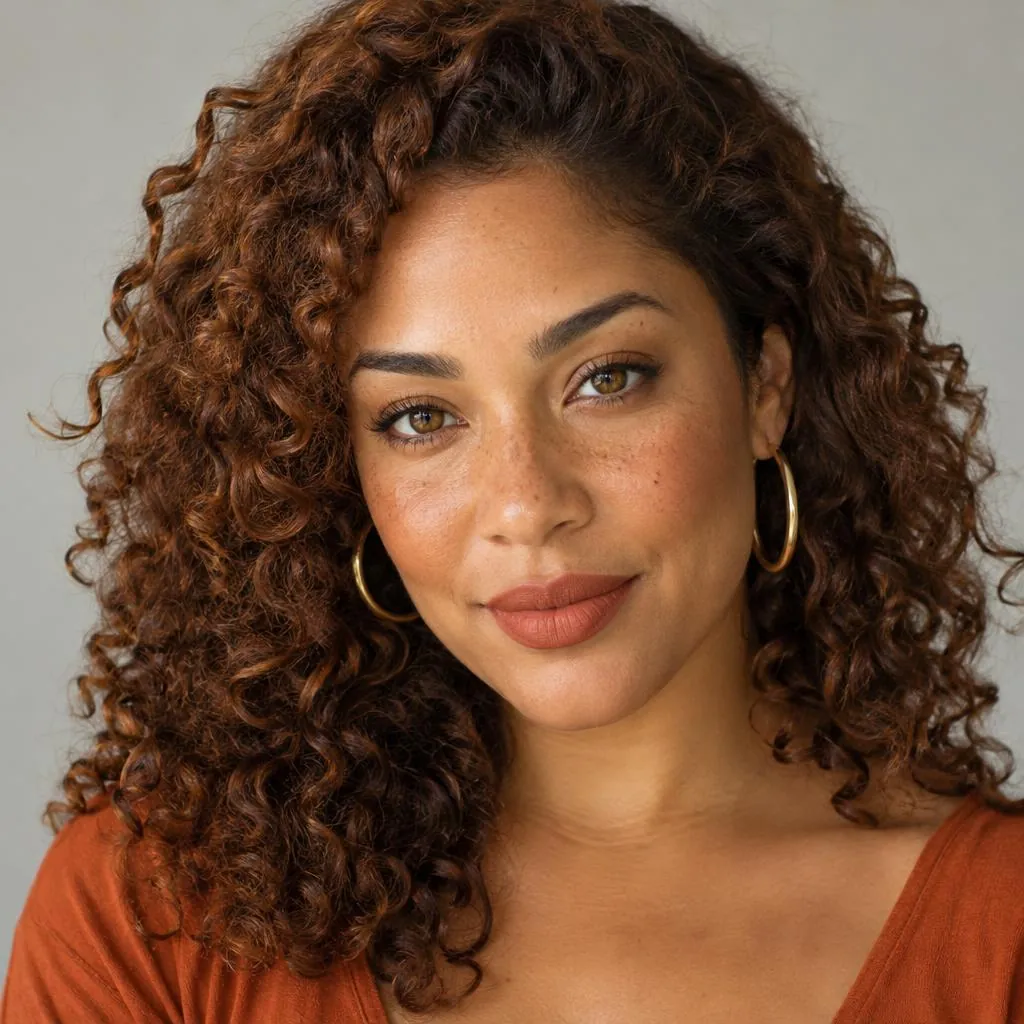 Warm AutumnRich golden earth and spice tones: burnt orange, rust, mustard, olive, cinnamon, terracotta, and warm chestnut.
 Soft AutumnWarm-neutral, muted earth tones: camel, light olive, soft terracotta, khaki, deep sage, and peachy cream.
 Color Analysis for Dark SkinHow undertone, contrast, and chroma work on deep and rich dark skin—and why every season exists across all skin depths.
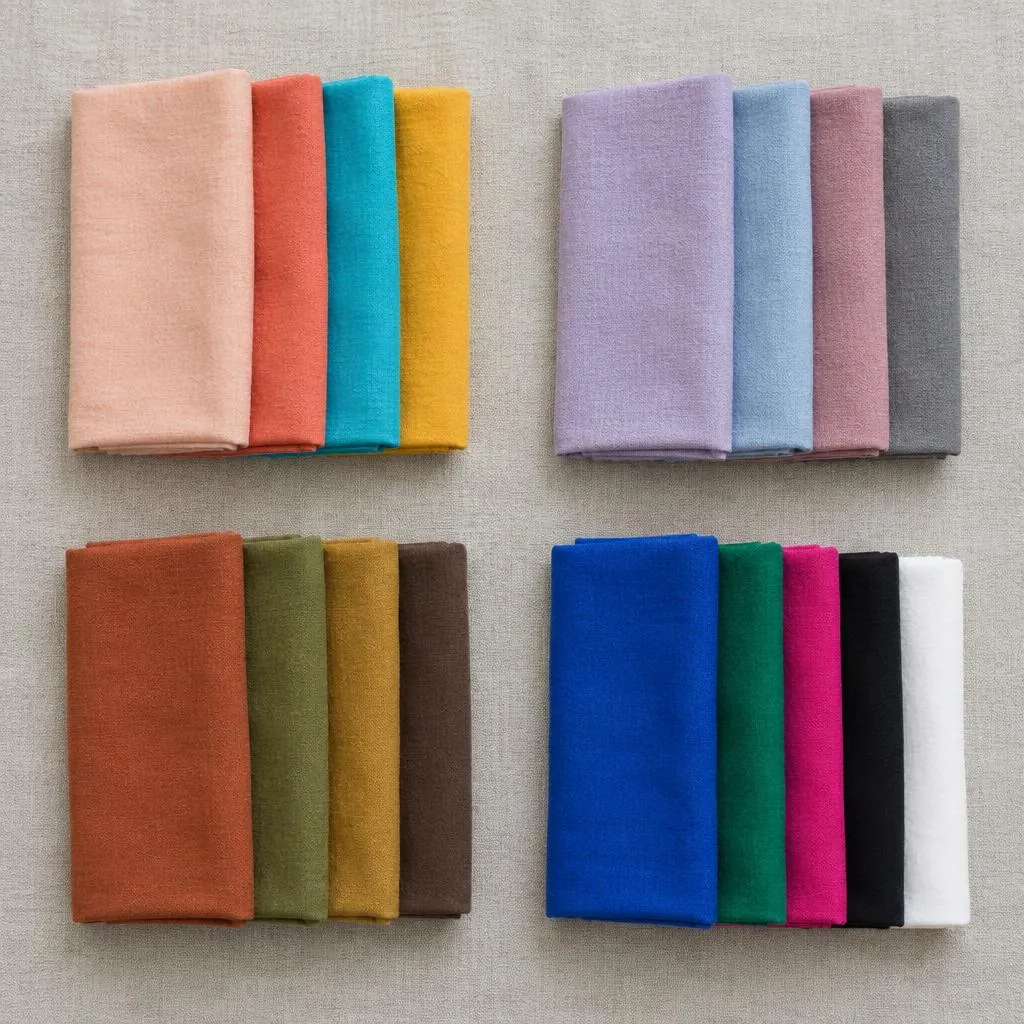 The 12 Color SeasonsAll 12 color seasons in one place: comparison table, real hex palettes, sister seasons, and how to find yours.
Discover whether Deep Autumn is your true palette—free in 3 minutes.
Season, undertone, contrast, palette, and makeup guide in 3 minutes.
Start my free analysis