Season · Spring
Light Spring Color Palette: Sunlit, Warm, and Effortlessly Light
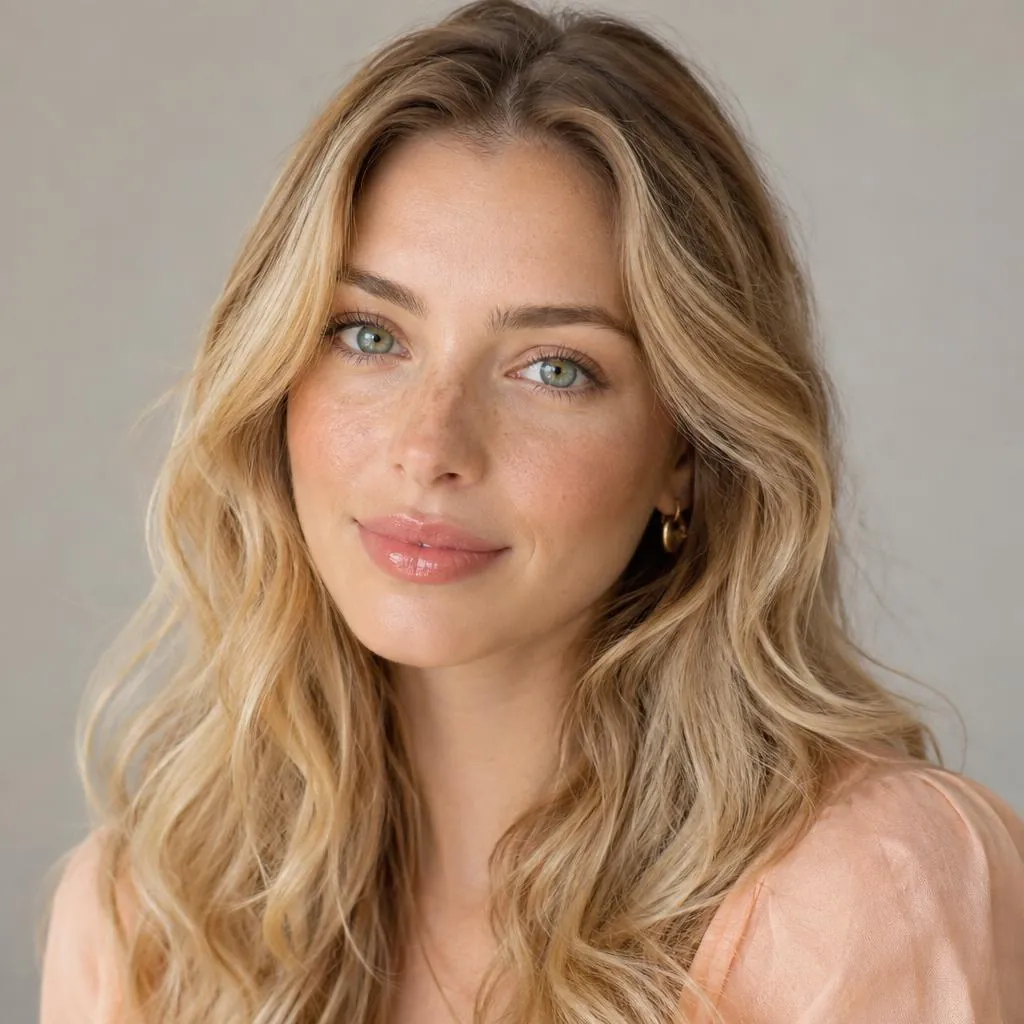
The light spring color palette brings together light, warm, sunlit shades that feel like early morning sun—think light peach, soft coral, apricot, butter yellow, mint green, sky blue, and warm ivory. In the 12-season system, Light Spring sits at the bright, airy meeting point between Spring and Summer, where lightness leads and gentle golden warmth follows. Heavy dark colors like black, dark purple, and dark brown overpower this delicate balance near the face, while clean, sunlit tints make skin look rested and radiant.
Updated 2026-11-26 · GlowMap Editorial Team
Quick answer
- The Light Spring formula: high lightness first, gently warm undertone second, and clean medium clarity—never dusty, heavy, or icy.
- Signature palette colors: Light Peach, Soft Coral, Apricot, Butter Yellow, Mint Green, Sky Blue, Warm Light Pink, Aqua, Light Camel, and Ivory.
- Colors to keep off the face: Black, Dark Purple, Dark Brown, and Medium Gray create harsh shadows and drain natural warmth.
- Best metals & makeup: Light gold and rose gold jewelry; peachy nudes, soft coral lips, sheer gloss, champagne shimmer, and warm brown mascara.
- Closest neighbors: Light Summer (equally light, but cool), Warm Spring (warmer and richer), and Bright Spring (higher contrast and sharper saturation).
How to recognize Light Spring across the 3 dimensions
Every season in personal color analysis is defined by three measurable dimensions: undertone (warm versus cool), depth (light versus deep overall value), and contrast (how sharply your skin, hair, and eyes differ in lightness, paired with how clear or muted your coloring looks). Light Spring is led by lightness, supported by a warm-leaning (neutral-warm) undertone and low-to-medium contrast with fresh, sunlit clarity.
- Undertone (slightly warm): Skin carries a soft peachy, ivory-cream, or light golden cast rather than bluish pink. Because Light Spring borders Summer, warmth is gentle rather than intensely golden—you can explore how this shows up in our skin undertone test.
- Depth (light overall value): Skin, hair, and eyes sit close together on the lighter half of the value scale. No single feature looks stark or ink-dark compared to the rest of your face.
- Contrast & clarity (low-to-medium, clean): Unlike muted seasons, Light Spring coloring has a clear, sunlit freshness. Soft smoky grays flatten the complexion, while luminous tints bring it into focus. See high contrast vs low contrast to compare value gaps.
A note on skin depth and inclusivity: Light Spring is often stereotyped as strictly fair skin with pale blonde hair, yet personal color analysis evaluates the entire natural ensemble (skin undertone, value, eye clarity, and hair depth together), never one rigid stereotype. While Light Spring most commonly appears across fair, light, and light-medium warm complexions—with golden blonde, honey, strawberry-light, or light golden brown hair and clear blue, green, hazel, or light warm brown eyes—medium golden or warm olive-light skin with lighter amber eyes and sun-lifted honey hair can also harmonize here. If your skin is naturally deep or richly pigmented, your overall value will usually align better with Warm Spring, Bright Spring, or the Autumn and Winter families, as explained in our guide to color analysis for dark skin.
| At-home check | Typical Light Spring response |
|---|---|
| White drape near the face | Warm ivory and cream brighten skin; stark icy white looks chalky |
| Black drape near the face | Casts gray shadows under the eyes and jaw; the garment shows up before you do |
| Jewelry metal | Light gold and rose gold melt smoothly into skin; heavy yellow gold can feel slightly loud |
| Wrist veins in daylight | Usually greenish or an even mix of teal-green and blue-violet |
| Sun exposure (unprotected) | Often flushes pink first before developing a light golden warmth |
The Light Spring color palette and signature neutrals
Imagine morning sunlight filtered through sheer curtains: every shade in the light spring color palette looks as if a drop of warm sunshine and cream has been blended into a clean pigment. There is no gray haze dulling the color and no heavy black anchoring it down. When worn near your collarbone and jawline, these colors even out redness, soften under-eye shadows, and make the whites of your eyes look brighter.
Light Peach
Soft Coral
Apricot
Butter Yellow
Mint Green
Sky Blue
Warm Light Pink
Light Camel
Aqua
Ivory
Beyond these ten core swatches, the wider Light Spring range welcomes pale watermelon, light mango, warm periwinkle, fresh apple green, vanilla, warm sand, and clear robin's-egg blue. Whenever you evaluate a new garment in natural light, ask two quick questions: *Is it light enough not to weigh down my face?* and *Does it look fresh and sunlit rather than dusty or grayed-out?*
| Instead of | Choose for Light Spring | Why it works better |
|---|---|---|
| Black | Light Camel, warm sand, or light-to-medium blue denim | Provides everyday structure without hardening your jawline |
| Stark optic white | Ivory, warm cream, or soft vanilla | Echoes subtle golden warmth instead of washing skin gray |
| Medium cool gray | Warm stone, champagne beige, or very pale dove | Avoids pulling out sallow or tired shadows |
| Dark navy or espresso | Sky Blue, Aqua, or light warm cocoa | Gives crisp polish while preserving airy lightness |
Colors to avoid and how to wear them anyway
The biggest disruptor for Light Spring is visual weight. Very dark, opaque, or cool-ashy tones introduce a level of depth and contrast that your natural coloring does not carry. Placed right below your chin, they pull attention straight to the neckline and make facial features recede.
Black
Dark Purple
Dark Brown
Medium Gray
Brightens Light Spring
- Ivory, vanilla, and Light Camel
- Light Peach, Apricot, and Soft Coral
- Mint Green, Aqua, and Sky Blue
- Butter Yellow and Warm Light Pink
Weighs down Light Spring
- Stark Black and deep charcoal
- Dark Purple, aubergine, and burgundy
- Dark Brown and heavy espresso
- Medium Gray and dusty slate
Avoiding a color in personal color analysis never means banishing it from your closet—it simply means keeping it away from the face zone (roughly chest level upward). You can wear black trousers, dark brown boots, or a charcoal tote bag effortlessly because they do not bounce light onto your chin and cheeks. If you need to wear a black blazer or dark uniform top, create a Light Spring buffer right at the neckline: layer an Ivory blouse underneath, knot a Soft Coral or Sky Blue scarf near your collar, wear light gold hoops, and add a swipe of sheer coral-peach lip gloss.
Metals, makeup, and hair colors for Light Spring
Because Light Spring combines delicacy with gentle warmth, heavy textures, thick black eyeliner, and intense metallic finishes can look theatrical rather than harmonious. Aim for luminous, light-reflecting finishes across jewelry, color analysis makeup, and hair.
- Metals & jewelry: Light gold and rose gold are your most seamless finishes—especially brushed, satin, or dainty polished pieces. Very dark antique bronze feels heavy, while bright silver can cool your skin slightly unless paired with warm stones like peach moonstone, turquoise, or warm pearls.
- Foundation & concealer: Choose a light-to-light-medium depth (matching your actual skin depth) with a warm-peachy or neutral-warm undertone. Never rely on generic shade numbers, which vary wildly across lines—check our guide on how to find foundation undertone and swatch along your jawline in daylight so the formula vanishes cleanly into your neck.
- Lips: Peachy nudes, Soft Coral, Apricot, and Warm Light Pink look effortless. Sheer satin lipsticks, tinted balms, and glossy finishes echo your natural light clarity far better than opaque dark matte formulas.
- Blush: Light Peach and Soft Coral, softly diffused high on the cheeks. Cream or liquid formulas mimic a fresh sunlit flush.
- Eyes: Champagne, light gold, soft peach, and light warm brown eyeshadows open up the eye area. Swap stark black eyeliner and heavy black mascara for warm brown or soft cocoa so your lashes frame your eyes without looking harsh.
Hair color for Light Spring: Your most flattering hair tones preserve lightness and warm reflection—think golden blonde, honey blonde, light strawberry blonde, and light golden brown, or soft sun-kissed highlights woven over a natural light base. Jet black, deep espresso, and icy blue-toned platinum either overwhelm your softness or clash with your golden warmth. If you plan to lighten, tone, or color your hair chemically, always ask your stylist for a salon strand test and skin patch test beforehand to confirm both the final tone and your scalp sensitivity.
Outfits, patterns, and styling combinations
Light Spring outfits shine when the eye moves smoothly from head to toe without jarring dark blocks. Use Ivory instead of stark white and Light Camel instead of black as your wardrobe anchors, then layer fresh Spring accents on top.
Everyday polish
Ivory knit top + Light Camel tailored trousers + rose gold watch + Soft Coral tinted lip balm.
Fresh workwear
Sky Blue crisp poplin shirt + warm sand blazer + light gold studs + champagne eyeshadow with warm brown mascara.
Relaxed weekend
Mint Green or Butter Yellow linen tee + light-wash denim + Light Peach cardigan draped over the shoulders.
Patterns and fabrics: Choose low-to-medium contrast prints on light grounds—small watercolor florals, fine Ivory-and-Sky-Blue stripes, delicate gingham, or subtle Warm Light Pink polka dots. Avoid oversized black-and-white geometric graphics or moody dark floral backgrounds. Lightweight cotton, linen, airy knits, silk-like satin, and soft suede mirror the buoyant energy of Light Spring better than stiff, heavy black leather.
Light Spring vs. its neighbor seasons
In the 12 season color analysis wheel, Light Spring sits directly beside three closely related palettes. Most people who feel torn between two seasons only need a side-by-side daylight test between these neighbors:
| Neighbor season | What it shares with Light Spring | How to tell them apart |
|---|---|---|
| Light Summer | Equally light overall value and low-to-medium contrast | Light Summer is cool and gently dusty. Hold Light Peach beside Baby Pink in daylight: if peach warms and brightens your skin, lean Light Spring; if cool pink and silver look cleaner, lean Light Summer. |
| Warm Spring | Clear, sunny warmth from the Spring family | Warm Spring is deeper and unmistakably golden. If bold Orange, Light Mustard, and rich yellow gold look effortless on you, you likely belong in Warm Spring rather than Light Spring. |
| Bright Spring | Warm-leaning undertone and crisp color clarity | Bright Spring carries much higher contrast and electric chroma. If vivid Orange-Red, Bright Blue, and crisp black mascara energize your face instead of overpowering it, compare with Bright Spring. |
Not sure which side of the fence you land on? Follow three quick steps in front of a window—or skip the guesswork with a free online personal color analysis calibrated with a plain sheet of white paper.
- 1
Stand in even daylight, bare-faced
Turn off yellow indoor bulbs and face a bright window with clean skin and no filters.
- 2
Compare one dimension at a time
Test Light Peach against Baby Pink (temperature), Ivory against stark white (warmth), and Light Camel against Black (depth).
- 3
Watch your skin, not the fabric
The winning shade calms redness, lifts under-eye shadows, and makes your natural features feel balanced. You can also run a calibrated photo check directly on GlowMap's free analysis.
Frequently asked questions
What colors are in the light spring color palette?
The light spring color palette centers on light, warm, clean tints: Light Peach, Soft Coral, Apricot, Butter Yellow, Mint Green, Sky Blue, Warm Light Pink, Aqua, Light Camel, and Ivory. Its core neutrals are Ivory, warm cream, sand, and Light Camel.
Can a Light Spring wear black?
Right next to your face, solid black tends to cast shadows and overpower Light Spring features. Away from your face—such as pants, skirts, shoes, or bags—black works fine. Near your neckline, swap black for Light Camel, warm sand, or Sky Blue, or soften a black jacket with an Ivory inner layer.
What is the difference between Light Spring and Light Summer?
Both seasons share light overall depth and delicate contrast, but they sit on opposite sides of temperature. Light Spring is warm-leaning and clear (Light Peach, Ivory, light gold), whereas Light Summer is cool-leaning and gently muted (Baby Pink, Lavender, Soft White, silver).
Is Light Spring gold or silver?
Light gold and rose gold flatter Light Spring best. Very heavy, saturated yellow gold can look slightly overpowering on delicate coloring, while cool silver may make the skin look paler—though thin silver paired with warm pastel outfits can still work in a pinch.
What lipstick and mascara suit Light Spring best?
Peachy nudes, Soft Coral, Apricot, and Warm Light Pink lipsticks—especially in sheer satin or glossy textures—complement Light Spring naturally. For lashes and liner, warm brown defines the eyes far more softly than stark jet black.
Can people with medium or deeper skin be Light Spring?
Personal color analysis evaluates undertone, value, and contrast across your whole coloring, not skin tone alone. Fair, light, and light-medium warm complexions with light hair and eyes most frequently map to Light Spring; medium-to-deep warm skin tones typically harmonize even better with Warm Spring or Bright Spring, where the palette carries enough richness to match their natural depth.
Read next
 Light SummerAiry, cool, gently muted pastels: baby pink, lavender, powder blue, pale aqua, seafoam, pearl gray, and soft white.
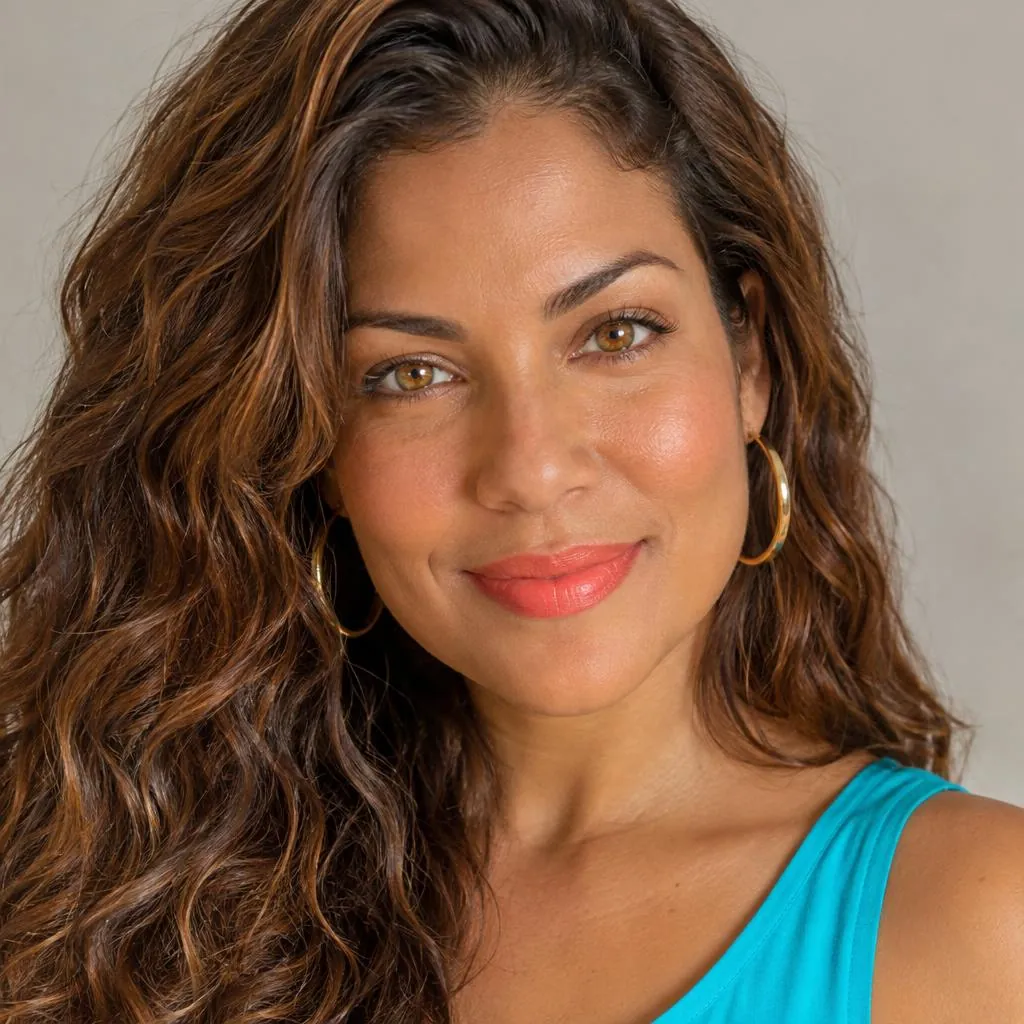 Warm SpringPure golden warmth and vibrancy: coral, orange, gold, turquoise, lime green, caramel, amber, and warm cream.
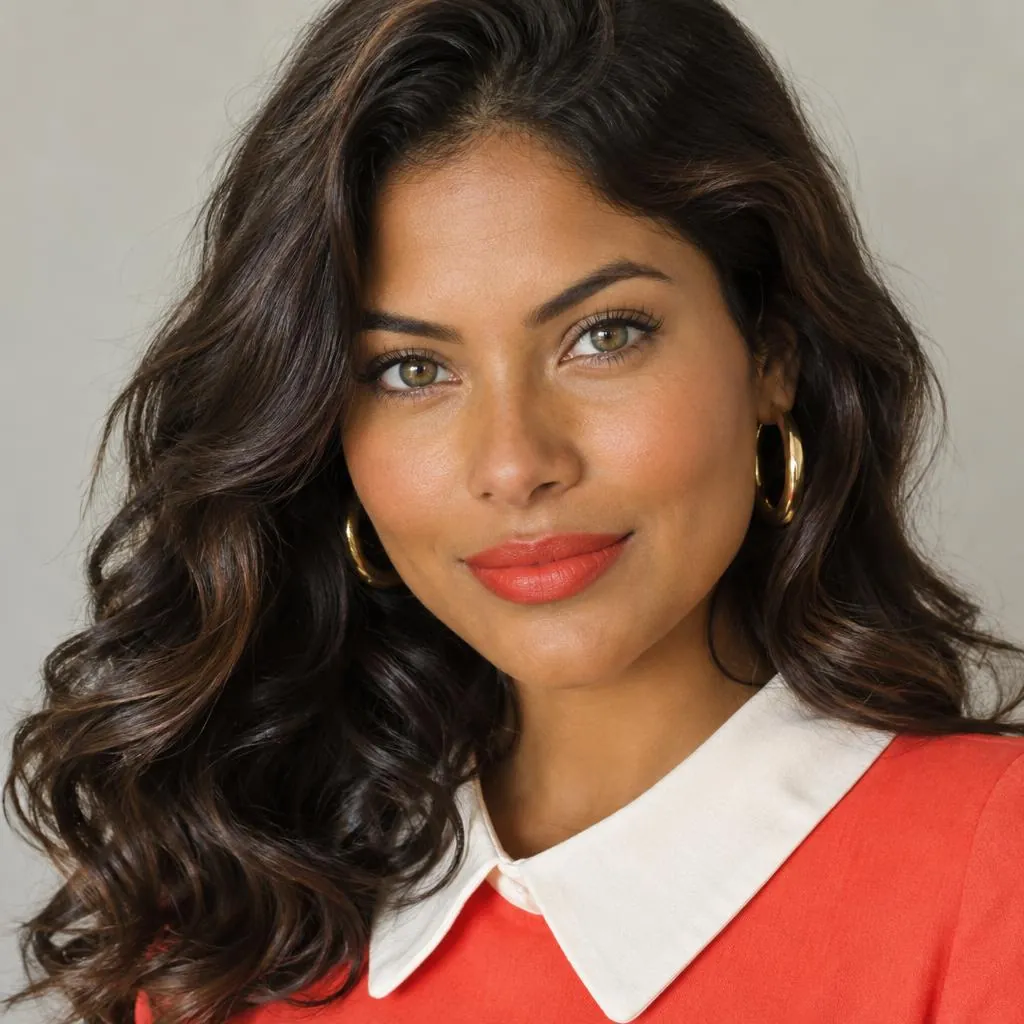 Bright SpringHigh-clarity warm brilliance: bright coral, orange-red, jade green, bright blue, turquoise, warm ivory, and charcoal.
 Gold vs Silver TestHow to run the gold vs silver test in daylight, avoid finish traps, and read warm, cool, or neutral undertones.
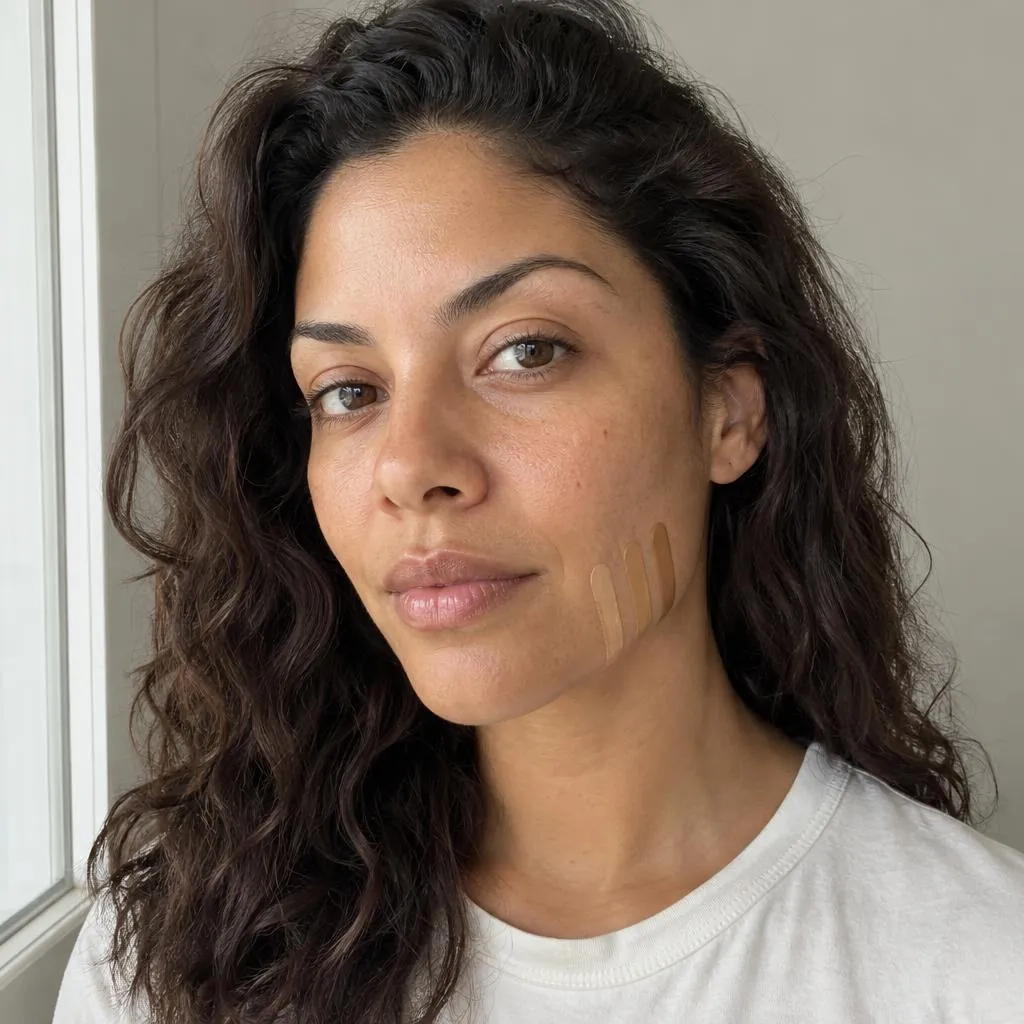 Foundation Undertone GuideMatch depth and undertone first, swatch on your jawline in daylight, wait for oxidation, and skip guesswork.
Ready to verify your Light Spring palette?
Season, undertone, contrast, palette, and makeup guide in 3 minutes.
Start my free analysis