The 12 Seasons
12 Season Color Analysis: All 12 Palettes Compared
The 12 season color analysis system expands the classic four color families—Spring, Summer, Autumn, and Winter—into twelve distinct palettes tailored to your undertone, depth, and contrast. Instead of forcing everyone into broad warm or cool buckets, 12 season color analysis identifies which single color dimension leads your coloring and pairs you with a sister season right next door. Below you will find the full comparison table, all 12 real palettes, and clear steps to narrow down yours.
Updated 2026-11-26 · GlowMap Editorial Team
Quick answer
- Four families, twelve palettes: Spring and Autumn are warm-leaning; Summer and Winter are cool-leaning. Each family splits into three seasons based on its dominant trait.
- Driven by three axes: Temperature (warm vs. cool), depth/value (light vs. deep), and chroma/intensity (bright vs. soft).
- Every season spans all skin depths: Fair, medium, tan, olive, and very deep skin tones appear across the entire 12-season wheel.
- Sister seasons explain borderline results: Each palette shares two dimensions with a neighboring season from another family, making cross-borrowing intuitive.
- Try it yourself: Compare the real palettes below or take our free online analysis with 7 questions and 1 white-paper photo measured entirely on-device.
Why 12 seasons instead of 4
The original four-season model sorted people solely by warm vs. cool and light vs. dark. It worked nicely for textbook examples, but left a huge share of people frustrated: what if your coloring is warm and light rather than earthy, or cool and muted rather than crisp enough for stark black? The 12 season color analysis framework—known in color theory as the expanded seasonal system—solves this by recognizing that one dimension always leads.
Each of the four parent families contains one true (temperature-dominant) season and two flow seasons that lean toward a neighboring family. Warm Spring, Cool Summer, Warm Autumn, and Cool Winter sit at the pure temperature core of their families. The remaining eight seasons flow smoothly around the circle—for example, Light Spring flows toward Light Summer, while Deep Autumn flows toward Deep Winter.
| Parent family | Temperature | Chroma feel | The 3 seasons inside |
|---|---|---|---|
| Spring | Warm (golden base) | Clear, bright, sunlit | Light Spring, Warm Spring, Bright Spring |
| Summer | Cool (blue base) | Soft, cool, airy | Light Summer, Cool Summer, Soft Summer |
| Autumn | Warm (golden base) | Rich, muted, earthy | Soft Autumn, Warm Autumn, Deep Autumn |
| Winter | Cool (blue base) | Clear, vivid, crisp | Deep Winter, Cool Winter, Bright Winter |
Notice the symmetry across families: Spring and Winter share clarity (clean colors without gray mixed in), while Summer and Autumn share softness (blended, muted colors). Spring and Summer lean lighter overall, while Autumn and Winter lean deeper. That architecture is what makes the 12 palettes feel logical once you see them side by side.
Complete comparison table of all 12 color seasons
Use this master table to compare all 12 seasons across family, dominant trait, temperature, depth, intensity, jewelry metal, and signature colors. Click any season name to explore its full hex palette, colors to avoid, and styling recommendations.
| Season | Family | Dominant trait | Temperature | Depth | Intensity | Best metal | Signature colors |
|---|---|---|---|---|---|---|---|
| Light Spring | Spring | Light | Neutral-warm | Light | Medium-clear | Light gold, rose gold | Light Peach, Soft Coral, Mint Green, Sky Blue, Ivory |
| Warm Spring | Spring | Warm | Very warm | Light-medium | Medium-clear | Yellow gold | Coral, Gold, Turquoise, Lime Green, Caramel, Cream |
| Bright Spring | Spring | Bright | Neutral-warm | Light-medium | Very high | Polished bright gold | Bright Coral, Orange-Red, Jade Green, Bright Blue, Warm Ivory |
| Light Summer | Summer | Light | Neutral-cool | Light | Medium-soft | Silver, white gold, pale rose gold | Baby Pink, Lavender, Powder Blue, Seafoam, Pearl Gray |
| Cool Summer | Summer | Cool | Very cool | Light-medium | Medium-soft | Silver, white gold | Steel Blue, Dusty Rose, Raspberry, Plum, Ice White |
| Soft Summer | Summer | Soft | Neutral-cool | Medium | Low (muted) | Brushed silver, pewter, muted rose gold | Dusty Lilac, Blue Sage, Faded Denim, Mauve, Soft Slate |
| Soft Autumn | Autumn | Soft | Neutral-warm | Medium | Low (muted) | Brushed matte gold, antique bronze | Camel, Light Olive, Soft Terracotta, Soft Moss, Peachy Cream |
| Warm Autumn | Autumn | Warm | Very warm | Medium | Medium-muted | Yellow gold, copper, warm bronze | Burnt Orange, Rust, Mustard, Olive, Terracotta, Wheat |
| Deep Autumn | Autumn | Deep | Neutral-warm | Deep | Medium-rich | Rich gold, aged bronze, copper | Chocolate, Deep Brick, Dark Olive, Deep Teal, Warm Wine |
| Deep Winter | Winter | Deep | Neutral-cool | Deep | High | Silver, white gold, platinum | Black, Burgundy, Midnight Blue, Deep Emerald, Sapphire, Pure White |
| Cool Winter | Winter | Cool | Very cool | Medium-deep | High | Silver, platinum | Cobalt Blue, Ruby, Fuchsia, Emerald, Icy Lavender, Black |
| Bright Winter | Winter | Bright | Neutral-cool | Medium | Very high | High-shine silver, platinum | True Red, Hot Pink, Electric Royal, Bright Emerald, Cyan, Pure White |
All 12 seasonal color palettes
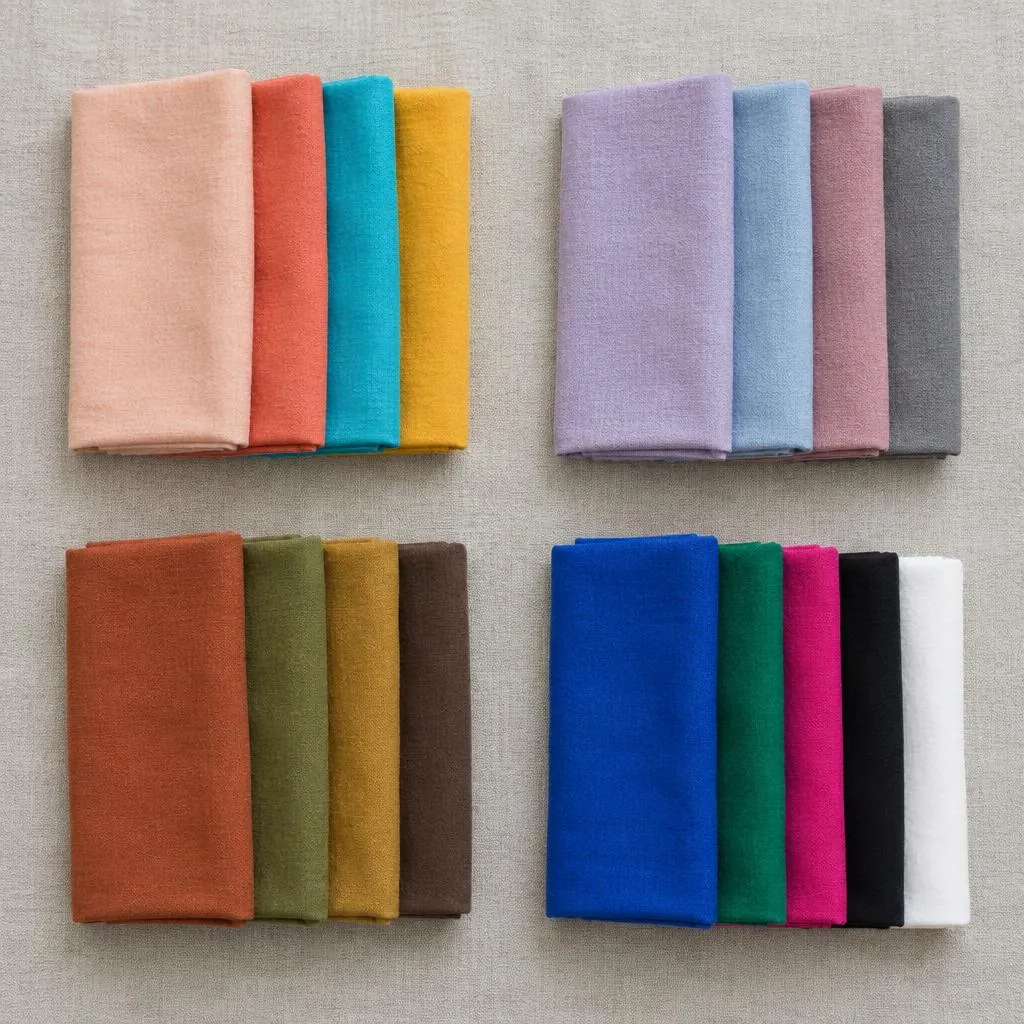
Reading color names only gets you halfway; seeing the swatches side by side makes the differences click immediately. These are the exact 12 palettes used inside GlowMap's analysis, each anchored by ten balanced neutrals and accent shades. Tap any card to view its full hex codes, colors to avoid, and makeup guide:
Light Spring
Light, warm, sunlit colors. Everything that looks like soft morning sunlight makes your face glow.
Warm Spring
Pure warmth and vibrancy: golden, sunny, lively colors bring you to life.
Bright Spring
High clarity and sparkle: vivid, clean colors with a warm undertone.
Light Summer
Airy elegance: light, cool, gently muted colors that never overpower you.
Cool Summer
Crisp coolness and polish: cool-toned, medium-depth colors without yellow warmth.
Soft Summer
Understated sophistication: cool, dusty, low-contrast tones that feel blended and calm.
Soft Autumn
Natural and effortless: warm, earthy, gently muted shades with low contrast.
Warm Autumn
Rich earth and spice: golden, warm, saturated tones that echo autumn leaves.
Deep Autumn
Warm depth and richness: dark, opulent, earthy colors with cozy intensity.
Deep Winter
Bold depth and contrast: dark, cool, dramatic jewel tones make you stand out.
Cool Winter
Icy clarity and pure color: crisp, cool, saturated tones with zero warmth.
Bright Winter
Maximum contrast and clarity: vivid, electric, cool-leaning colors.
Remember that ten swatches are a starting map, not a ceiling. Any fabric, lipstick, or sweater that shares the same temperature, depth, and chroma belongs right inside your palette. Once you recognize the visual mood of your season—sunlit, airy, earthy, or crisp—spotting matching shades in stores takes seconds.
Sister seasons: the pairs people confuse most
If you feel torn between two palettes, you are almost certainly looking at sister seasons. Sister seasons share two of the three color dimensions and differ primarily on one—often temperature (neutral-warm vs. neutral-cool) or intensity (clear vs. muted). Testing their key dividing shades next to your bare face in window light usually settles the tie fast.
| Pair of sister seasons | What they share | What separates them in daylight |
|---|---|---|
| Light Spring vs. Light Summer | Light overall depth and low-to-medium contrast | Light Peach and Ivory (warm) vs. Baby Pink and Soft White (cool) |
| Warm Spring vs. Warm Autumn | Unmistakably warm golden undertone | Clear Coral and Turquoise (brighter) vs. Rust and Olive (earthier, deeper) |
| Bright Spring vs. Bright Winter | Maximum clarity and vivid high contrast | Orange-Red and Warm Ivory (warm-leaning) vs. True Red and Pure White (cool-leaning) |
| Soft Summer vs. Soft Autumn | Low contrast and gentle, muted chroma | Mauve and Soft Slate (cool) vs. Camel and Soft Moss (warm) |
| Cool Summer vs. Cool Winter | Pure cool undertone with zero yellow warmth | Dusty Rose and Steel Blue (softer) vs. Ruby, Cobalt Blue, and Black (crisper) |
| Deep Autumn vs. Deep Winter | Rich overall depth and dramatic darks | Espresso and Deep Brick (warm) vs. True Black and Burgundy (cool) |
Knowing your sister season is a major advantage when shopping. If your season is Soft Autumn and a store lacks warm camel, borrowing a neutral-leaning slate teal from Soft Summer works far better than grabbing stark black or neon pink. In GlowMap's full color report, your closest sister season is shown automatically alongside your confidence score.
Common alternate names across color systems
Because several color analysis schools developed in parallel across the US, Europe, and Asia, the same season often travels under two or three slightly different labels. If you have taken other quizzes or watched stylists online, here is how the most common English synonyms line up:
- Warm Spring is also called True Spring; Bright Spring is also called Clear Spring.
- Cool Summer is also called True Summer; Soft Summer is also called Muted Summer.
- Soft Autumn is also called Muted Autumn; Warm Autumn is also called True Autumn; Deep Autumn is also called Dark Autumn.
- Deep Winter is also called Dark Winter; Cool Winter is also called True Winter; Bright Winter is also called Clear Winter.
- No 'Soft Winter' in 12 seasons: If a quiz ever called you Soft Winter, your traits almost always map to Soft Summer or Cool Summer in the standard 12-season system.
Never worry about which label a stylist prefers. Focus on the underlying three axes—temperature, depth, and intensity—because any two palettes with the same three coordinates give you the exact same flattering shades.
How to find which of the 12 seasons is yours
Reading descriptions helps eliminate obvious mismatches, but confirming your season comes down to observing how real light and color interact with your bare face. Follow this four-step sequence in indirect window daylight:
- 1
Check temperature first
Compare gold against silver using our gold vs. silver test, plus pure white against cream/ivory. If neither side clearly dominates, you likely sit in one of the neutral-leaning flow seasons.
- 2
Test intensity (clear vs. muted)
Hold a clean, vivid shade (like emerald or coral) next to a dusty, grayed-down shade (like sage or terracotta). If vivid shades energize your face, lean Spring or Winter; if they overpower you, lean Summer or Autumn.
- 3
Evaluate depth and contrast
Look at a black-and-white photo of your bare face to gauge the gap between skin, natural hair roots, and eyes, then test light pastels against deep darks near your chin.
- 4
Verify with calibrated measurement
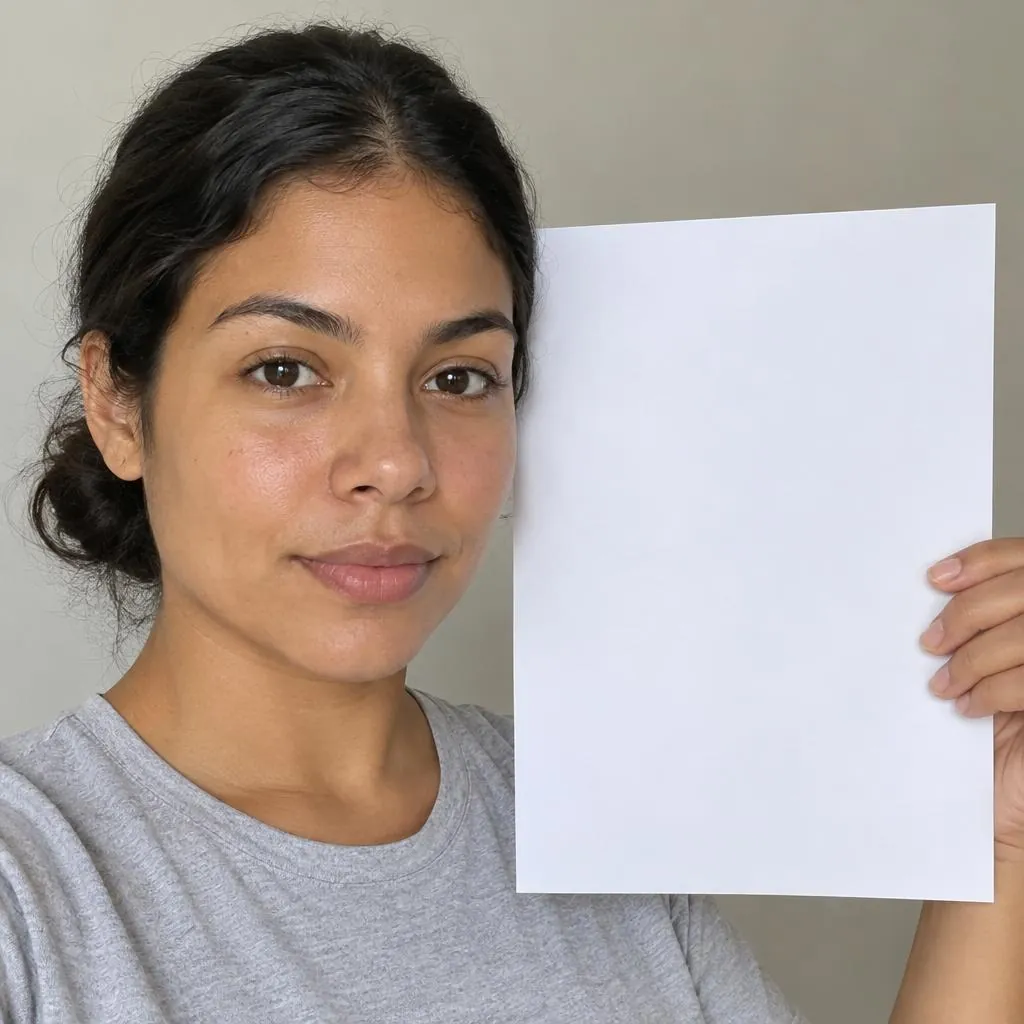
Run GlowMap's free online analysis with 7 questions and 1 white-paper photo. Your photo is measured directly on your device and never leaves your phone, removing indoor light casts that fool the naked eye.
Once you have a result, test two or three tops and one lipstick from that palette in daylight before changing anything major. If you are deciding whether to confirm with a stylist later, read our breakdown of online color analysis vs. in-person.
Frequently asked questions
How many color seasons are there in personal color analysis?
The standard expanded seasonal system has 12 color seasons: three subtypes inside each of the four parent families (Spring, Summer, Autumn, and Winter). While 4-season and 16-season systems exist, the 12-season model is the global benchmark used by most analysts and stylists.
What is the difference between Warm Autumn and True Autumn?
None—they are two names for the exact same season. Similarly, Cool Winter equals True Winter, Deep Winter equals Dark Winter, Bright Spring equals Clear Spring, and Soft Summer equals Muted Summer.
Can someone with dark skin be a Light Spring or Summer?
Every season exists across all skin depths, though how depth and contrast combine varies by individual. People with deeper skin tones span Warm, Cool, Soft, Deep, and Bright seasons across all four families depending on undertone, clarity, and contrast rather than stereotypes.
How do I tell if I am between two sister seasons?
Look closely at the one dimension that separates them—usually warmth vs. coolness or soft vs. bright. Hold two contrasting neutrals from each season under your chin in window daylight, such as Warm Cream vs. Pure White, and watch which one makes your skin look calmer and clearer.
Does my color season tell me my exact foundation shade?
No. Your color season determines flattering clothing, lipstick, blush, eyeshadow, and hair tones, whereas foundation depends on your skin's depth range and undertone. GlowMap gives you your depth range and undertone rather than an exact foundation shade number; always swatch along your jawline in natural daylight.
How much does it cost to discover my color season on GlowMap?
Discovering your season is free—just answer 7 questions and take 1 white-paper photo measured on-device (your photo never leaves your phone). If you want the complete report with undertone, depth, contrast, sister season, full hex palette, and styling guide, the full color report is a one-time payment via Stripe, with no subscription.
All guides: The 12 Color Seasons
 Light SpringLight, warm, sunlit shades: light peach, soft coral, apricot, butter yellow, mint green, sky blue, and ivory.
 Warm SpringPure golden warmth and vibrancy: coral, orange, gold, turquoise, lime green, caramel, amber, and warm cream.
 Bright SpringHigh-clarity warm brilliance: bright coral, orange-red, jade green, bright blue, turquoise, warm ivory, and charcoal.
 Light SummerAiry, cool, gently muted pastels: baby pink, lavender, powder blue, pale aqua, seafoam, pearl gray, and soft white.
 Cool SummerCrisp coolness and polish: steel blue, slate blue, dusty rose, raspberry, plum, soft teal, sea green, and ice white.
 Soft SummerUnderstated cool-muted calm: dusty lilac, dusty rose, blue sage, faded denim, mauve, rosy taupe, and soft slate.
 Soft AutumnWarm-neutral, muted earth tones: camel, light olive, soft terracotta, khaki, deep sage, and peachy cream.
 Warm AutumnRich golden earth and spice tones: burnt orange, rust, mustard, olive, cinnamon, terracotta, and warm chestnut.
 Deep AutumnDark, opulent warm earth tones: chocolate, deep brick, dark olive, deep teal, warm wine, espresso, and deep gold.
 Deep WinterDark, dramatic cool jewel tones: true black, burgundy, midnight blue, deep emerald, indigo purple, and pure white.
 Cool WinterIcy, crisp cool tones with zero warmth: cobalt blue, ruby, fuchsia, emerald, cool gray, icy lavender, and pure white.
 Bright WinterMaximum-clarity cool-leaning colors: true red, hot pink, electric royal, bright emerald, cyan, lemon yellow, and black.
Read next
 Personal Color AnalysisWhat personal color analysis is, the 3 color dimensions, the 12 seasons, and how to find your palette accurately.
 Skin Undertone TestWarm, cool, neutral, or olive: how to run a reliable skin undertone test in natural daylight and read the results.
 High vs Low ContrastHow to measure the lightness gap between your skin, hair, and eyes to choose balanced outfits, prints, and makeup.
 Free Online Color AnalysisHow white-paper calibration and screen-flash measurement find your color season free on your phone in 3 minutes.
 Color Analysis MakeupChoose foundation by depth and undertone, and lipstick, blush, eyeshadow, and liner by your color season.
Discover which of the 12 seasons is yours—free.
Season, undertone, contrast, palette, and makeup guide in 3 minutes.
Start my free analysis