Personal Color Analysis
Color Analysis Olive Skin Guide: How to Read Green-Leaning Undertones
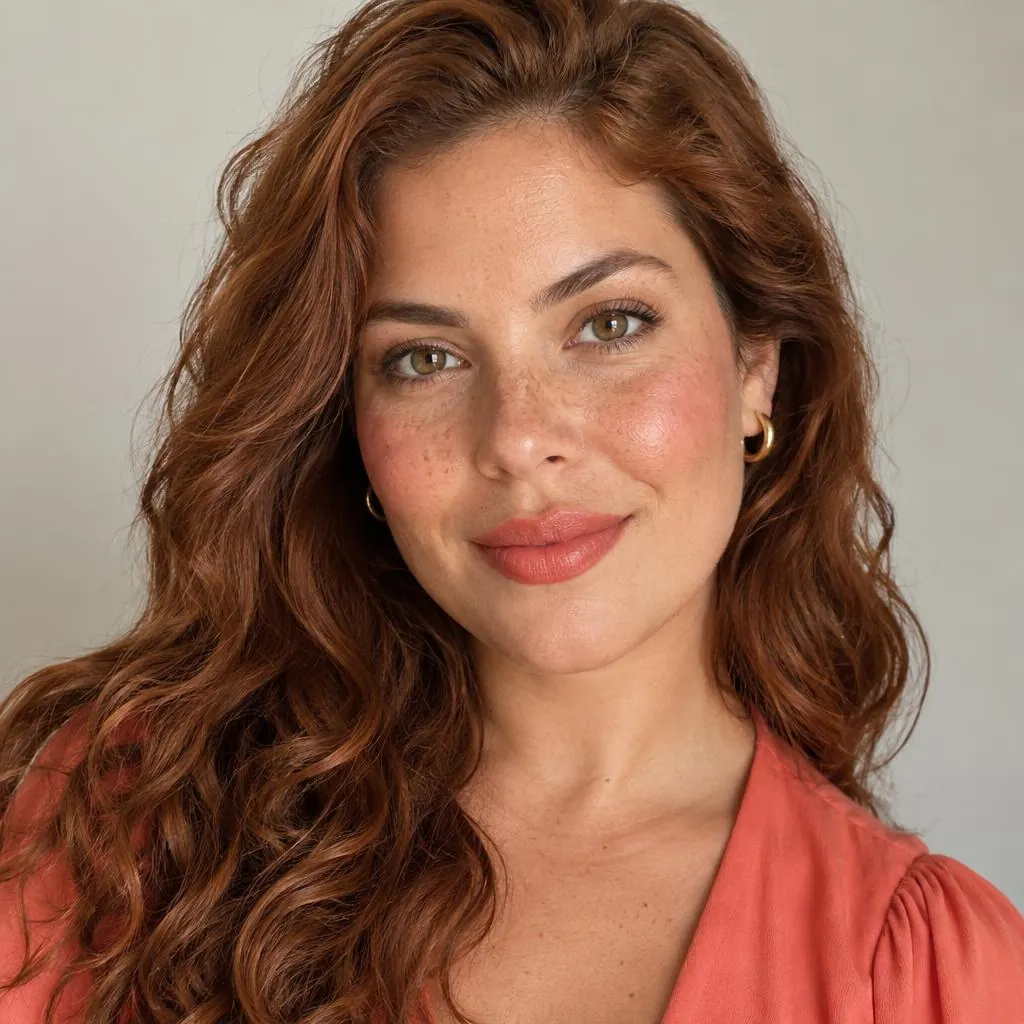
If every undertone quiz gives you a different answer, a dedicated color analysis olive skin approach explains why. Olive skin combines a subtle greenish or grayish-green cast with either a warm, cool, or neutral undertone underneath—which breaks simple yellow-versus-pink rules and often pushes people into the wrong foundation and wardrobe palette.
Updated 2026-11-26 · GlowMap Editorial Team
Quick answer
- Olive is a greenish or neutral-muted cast that occurs at every skin depth—fair olive, medium olive, tan olive, and deep olive all exist.
- Olive skin is not automatically warm: cool olive skin has a blue-green or gray-green lean and thrives in Winter or Summer palettes, while warm olive leans golden-green and shines in Autumn.
- Standard foundations look orange or pink on olive skin because they lack green balance; clothing colors that clash exaggerate sallow or tired shadows.
- Testing colors in natural window light—especially muted olive, teal, burgundy, and cream vs. crisp white—separates warm olive from cool olive fast.
- White-paper and screen-flash calibration in GlowMap removes yellow indoor casts while keeping your photo privately on your device; discovering your season is free.
What Olive Skin Actually Is (and Why Standard Quizzes Miss It)
Most people are taught a two-bucket rule for skin tone: yellow equals warm, pink equals cool. Olive skin sits outside that binary. Visually, olive skin displays a subtle greenish, chartreuse, or muted grayish-yellow cast—most noticeable along the neck, collarbone, and jawline in indirect natural daylight. That green impression happens when cool blue undertones mix optically with yellow surface pigment, or when melanin and hemoglobin balance in a low-red, muted way.
Two misconceptions cause almost all olive-skin frustration in personal color analysis. First, olive is not a skin depth. Many people hear the word olive and picture medium Mediterranean tan skin, yet fair pale olive and deep rich olive are just as real—every season and olive cast exists across all skin depths. Second, olive is not automatically warm. Because green sits between yellow and blue on the color wheel, olive skin can lean golden-warm, icy-cool, or squarely neutral.
Warm Olive vs. Cool Olive vs. Neutral Olive
Once you suspect you have an olive complexion, the single most useful question is which side of green your skin leans toward: golden yellow (warm olive), blue-gray or ash (cool olive), or an even muted balance (neutral olive). Comparing how fabrics and makeup behave on your skin gives a much clearer answer than staring at your bare arm.
| Olive type | What bare skin looks like in daylight | Colors that clarify your complexion | Colors that make skin look sallow or gray |
|---|---|---|---|
| Warm olive | Golden-green, honey-olive, or warm bronze cast; yellows and peaches blend in softly. | Terracotta, warm olive green, deep teal, espresso, mustard, cinnamon, and warm cream. | Icy pastel pink, neon blue, frosty silver, and stark optic white. |
| Cool olive | Gray-green, ash-olive, or subtle blue-green sheen; skin can look slightly greenish next to warm beige. | Burgundy, deep emerald, cool pine, sapphire, plum, crisp white, and cool charcoal. | Orange, rust, warm camel, golden mustard, and peachy coral. |
| Neutral-muted olive | Balanced gray-green or taupe-olive that shifts visibly depending on the color worn nearby. | Soft teal, sage, dusty rose, cocoa, warm-cool pewter, and muted berry. | Neon brights, pure orange, electric yellow, and overly harsh stark contrasts. |
Notice the classic makeup clue too: if warm foundations turn aggressively orange on your jawline while cool pink foundations look like a mask of chalky peach, you are almost certainly olive. Our foundation undertone guide explains how to read jawline swatches so you stop fighting orange oxidation.
The Most Common Color Seasons for Olive Skin
Although olive skin can technically appear anywhere across the 12 color seasons, a clear pattern emerges in practice: olive complexions cluster strongly in the neutral-warm, neutral-cool, and deep or muted seasons, because pure yellow-warm or pure pink-cool palettes often clash with green undertones.
Soft Summer
Understated sophistication: cool, dusty, low-contrast tones that feel blended and calm.
Soft Autumn
Natural and effortless: warm, earthy, gently muted shades with low contrast.
Warm Autumn
Rich earth and spice: golden, warm, saturated tones that echo autumn leaves.
Deep Autumn
Warm depth and richness: dark, opulent, earthy colors with cozy intensity.
Deep Winter
Bold depth and contrast: dark, cool, dramatic jewel tones make you stand out.
Cool Winter
Icy clarity and pure color: crisp, cool, saturated tones with zero warmth.
- [Deep Autumn](/seasons/deep-autumn): One of the most frequent matches for medium-to-deep warm olive skin with dark hair and rich contrast. Espresso, dark olive, deep teal, warm wine, and antique gold harmonize effortlessly.
- [Deep Winter](/seasons/deep-winter): A classic home for neutral-cool and cool olive skin with dark hair and strong definition. Burgundy, midnight blue, deep emerald, charcoal, and crisp white cancel out dullness immediately.
- [Soft Autumn](/seasons/soft-autumn): Ideal for fair-to-medium neutral-warm olives with softer contrast between skin, hair, and eyes. Camel, light olive, soft terracotta, and deep sage keep skin calm and glowing.
- [Soft Summer](/seasons/soft-summer): A frequent revelation for fair and medium cool-muted olives who felt washed out in warm Autumn earth tones yet overpowered by black. Blue sage, faded denim, mauve, and slate teal look refined.
- [Cool Winter](/seasons/cool-winter) and [Bright Winter](/seasons/bright-winter): Fit cool olives who have unmistakable clarity and high contrast, where vivid emerald, cobalt, and ruby energize the face instead of highlighting green shadows.
- [Warm Autumn](/seasons/warm-autumn): Works for strongly golden-olive complexions where rich spice tones like rust, moss green, and caramel look lively rather than overly orange.
Camel
Light Olive
Soft Terracotta
Khaki
Soft Moss
Warm Beige
Matte Gold
Cinnamon
Deep Sage
Peachy Cream
A 4-Step Daylight Test for Olive Skin at Home
Indoor LED and warm incandescent bulbs flood olive skin with yellow light, making almost every olive person look like an Autumn in bathroom mirrors. Always run home checks facing a window in indirect daylight with no makeup on.
- 1
Compare teal, rust, and burgundy
Hold a rich rust or terracotta garment under your chin, then switch to deep cool burgundy or plum, then teal. If rust lights up your eyes and burgundy looks slightly bruised, you lean warm olive. If burgundy makes your skin look porcelain-clear while rust makes you look yellowish or tired, you lean cool olive.
- 2
Check muted vs. clear saturation
Compare a dusty sage or faded denim shirt against an electric cobalt or bright emerald one. If bright colors feel like they walk into the room before you do, you lean muted (Soft Summer or Soft Autumn). If muted shades make your olive cast look flat and grayish, you need higher clarity or depth (Deep Autumn, Deep Winter, or Cool Winter).
- 3
Re-evaluate jewelry finish, not just metal color
In the gold vs silver test, olive skin often looks great in softly brushed metals rather than mirror-shiny ones. Antique gold, champagne gold, and pewter often beat bright yellow gold or chrome silver on neutral olives.
- 4
Run a lighting-calibrated browser analysis
Use a plain white sheet of paper next to your face in GlowMap's free online personal color analysis. The white paper and brief screen flash strip away room color casts so your green-neutral balance is measured cleanly rather than guessed.
Colors, Metals, and Makeup That Flatter Olive Skin
Olive skin reacts strongly to two color extremes: overly yellow-orange pastels (which amplify greenness into sallowness) and chalky cool pinks (which float awkwardly on top of the skin). Leaning into nuanced, complex tones—especially jewel greens, teals, rich browns, berries, and smoky plums—works across almost every olive subtype once you fine-tune warmth and natural contrast.
Reliable winners for olive skin
- Teal, deep pine, and sage greens that harmonize with your skin's natural pigment instead of fighting it.
- Berry, plum, wine, terracotta, and rosy-brown lipsticks—complex pigments look far more natural than pure pastel pink or bright neon coral.
- Rich dark neutrals: espresso and dark olive for warm olives; charcoal, cool navy, and black for cool olives.
- Muted metallic finishes like antique gold, bronze, champagne, or brushed silver.
Shades that frequently clash
- Yellow-beige, pale khaki, and mustard right at the neckline if you lean cool or neutral olive.
- Chalky bubblegum pink or milky peach blush and lipstick that turn gray-lavender or neon orange on the face.
- Neon chartreuse and acidic lime green—they reflect directly onto olive skin and exaggerate under-eye shadows.
- Stark optic white if your contrast is low or your undertone is warm (choose soft white, warm cream, or ivory instead).
Why Lighting Calibration Matters Extra for Olive Undertones
Because olive undertones sit right on the narrow border between warm and cool, even a small error in camera white balance can flip your entire result from Soft Summer to Soft Autumn or from Deep Winter to Deep Autumn. Smartphone cameras routinely over-correct greenish hues by adding magenta or warmth automatically.
In GlowMap's free analysis, holding a plain white sheet of paper inside the guide frame gives the algorithm an objective neutral anchor in the exact same light hitting your skin, while the screen flash verifies how your skin reflects balanced light. Everything runs locally inside your browser—your photo stays on your device and is never uploaded to external servers. Discovering your season is free, and unlocking the complete palette, wardrobe, and makeup guide is a simple one-time payment via Stripe with no recurring subscription.
Frequently asked questions
Can fair or deep skin be olive?
Yes. Olive describes a subtle green or gray-green hue balance, not a level of darkness. Fair pale olive, medium olive, tan olive, and deep dark olive all exist, and every color season exists across all skin depths.
Is olive skin warm or cool?
It can be warm, cool, or neutral. Warm olive leans golden-green and usually aligns with Deep Autumn, Soft Autumn, or Warm Autumn. Cool olive leans gray-green or blue-green and typically aligns with Deep Winter, Cool Winter, or Soft Summer.
Why do most neutral or warm foundations look orange on olive skin?
Standard warm foundations add heavy yellow-orange pigment, while cool ones add pink-red pigment. Olive skin has less red and a touch of green, so orange pigments look overly saturated and pink pigments look chalky. Look for olive, neutral-olive, or golden-olive shades and swatch along the neck in daylight.
Can olive skin wear olive green clothing?
Often yes, as long as the depth and warmth match your season. Warm olives look great in rich olive and moss green, while cool olives usually prefer cooler pine, deep emerald, or blue-leaning sage rather than yellow-heavy olive.
Why do I look good in both gold and silver jewelry?
Many olive complexions sit close to neutral temperature, which is why both metals can look wearable—especially softer finishes like champagne gold, antique gold, pewter, or brushed silver. Focus on which metal makes your under-eye area look smoother rather than which one simply looks pretty on your hand.
Is my photo stored on a server during online color analysis?
No. In GlowMap, your photo stays on your device and is processed entirely in your browser using white-paper and screen-flash calibration. Discovering your season is free, and the full report is an optional one-time payment via Stripe with no subscription.
Read next
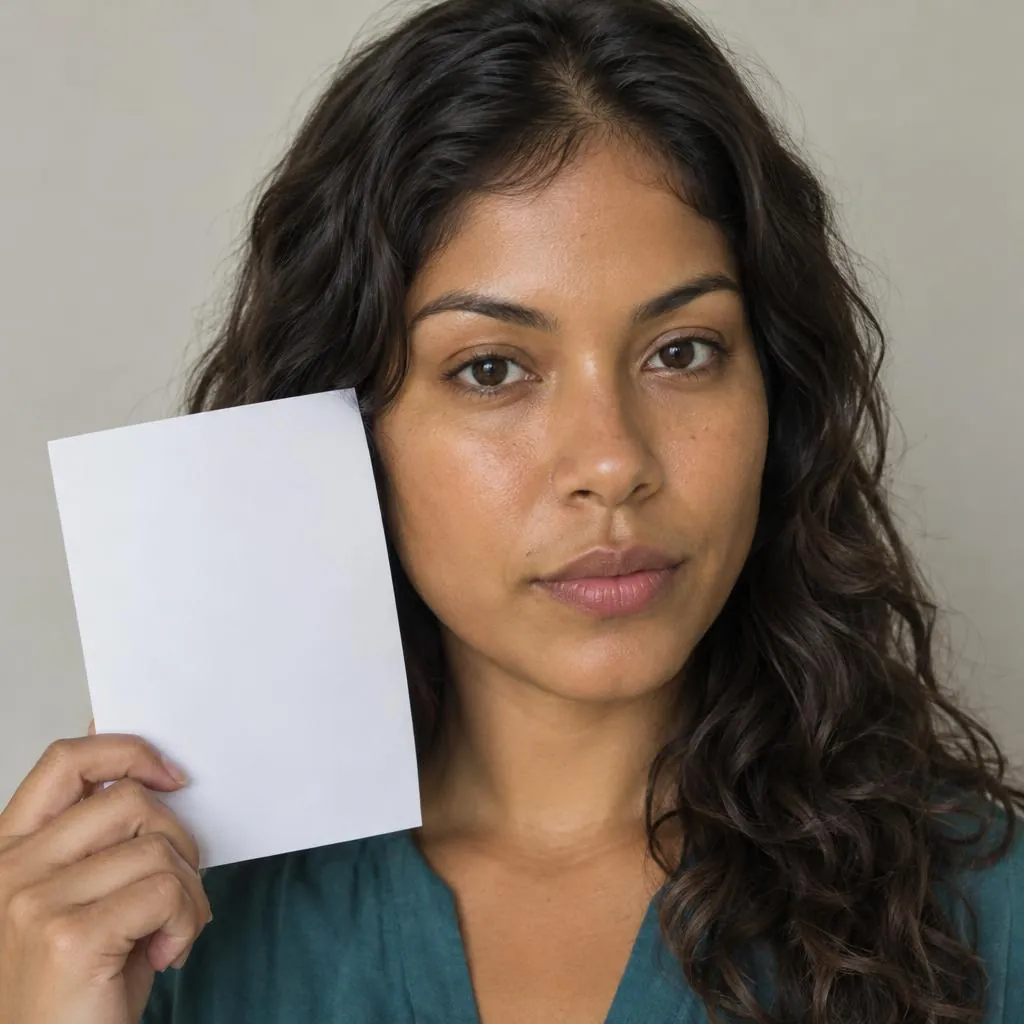 Skin Undertone TestWarm, cool, neutral, or olive: how to run a reliable skin undertone test in natural daylight and read the results.
 Gold vs Silver TestHow to run the gold vs silver test in daylight, avoid finish traps, and read warm, cool, or neutral undertones.
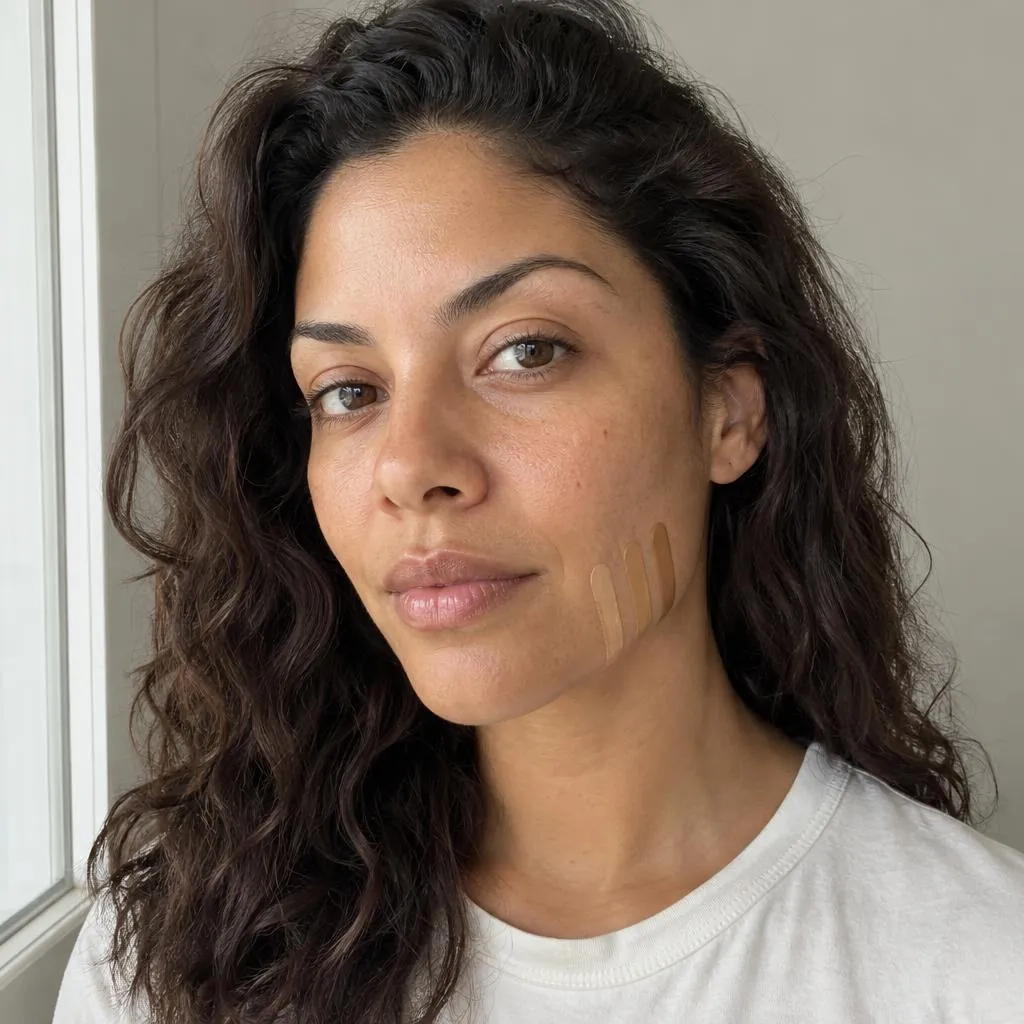 Foundation Undertone GuideMatch depth and undertone first, swatch on your jawline in daylight, wait for oxidation, and skip guesswork.
 Soft AutumnWarm-neutral, muted earth tones: camel, light olive, soft terracotta, khaki, deep sage, and peachy cream.
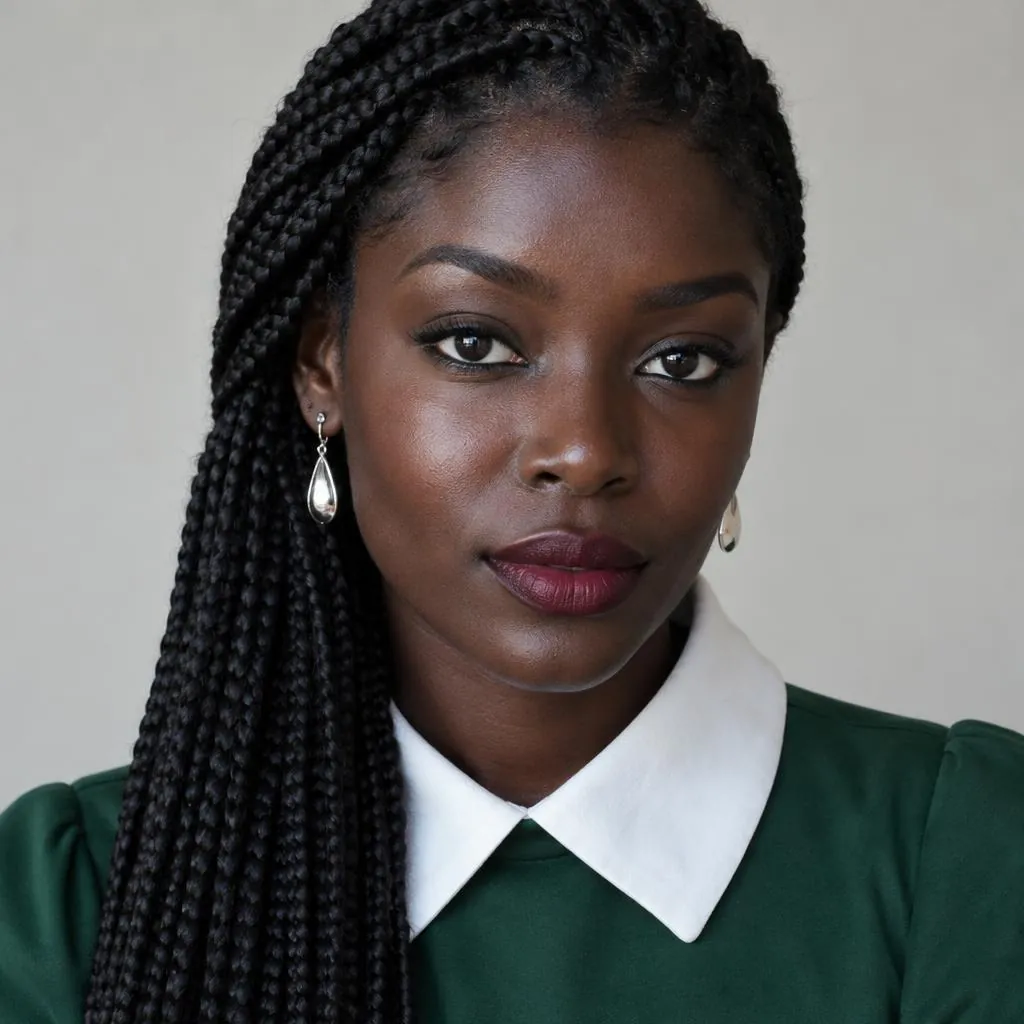 Deep WinterDark, dramatic cool jewel tones: true black, burgundy, midnight blue, deep emerald, indigo purple, and pure white.
Find your color season. It's free.
Season, undertone, contrast, palette, and makeup guide in 3 minutes.
Start my free analysis